Warsaw, Poland, June 26, 2026
Direct Liquid Cooling: the thermal revolution powering the AI Data Center Era
The energy sector has long been preparing for a gradual increase in electricity demand, driven by transport electrification, industrial transformation, and the expansion of the digital economy. In many countries, projections anticipated a two- to threefold rise in electricity consumption by 2050. However, the pace observed in recent years has significantly exceeded earlier scenarios, primarily due to the rapid expansion of data center infrastructure supporting AI workloads.
This is where liquid cooling comes into play. Compared to compressed-air-based cooling systems, liquid cooling can reduce cooling-related energy consumption by up to 90%. Beyond managing the extreme heat flux generated by AI hardware, it improves overall data center operational efficiency. Liquids offer substantially higher thermal conductivity and volumetric heat capacity than air, and liquid cooling systems typically require less auxiliary energy than air-based cooling architectures demand in terms of fan power.
According to Dell’Oro Group, the global data center liquid cooling market is expected to grow rapidly through the end of the decade, reaching up to $7 billion in manufacturer revenue by 2029. Liquid cooling has crossed a critical threshold as rising accelerator TDPs and rack power densities push air cooling beyond practical engineering limits.
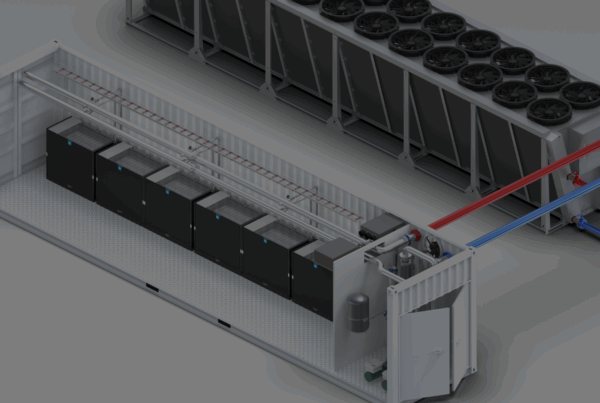
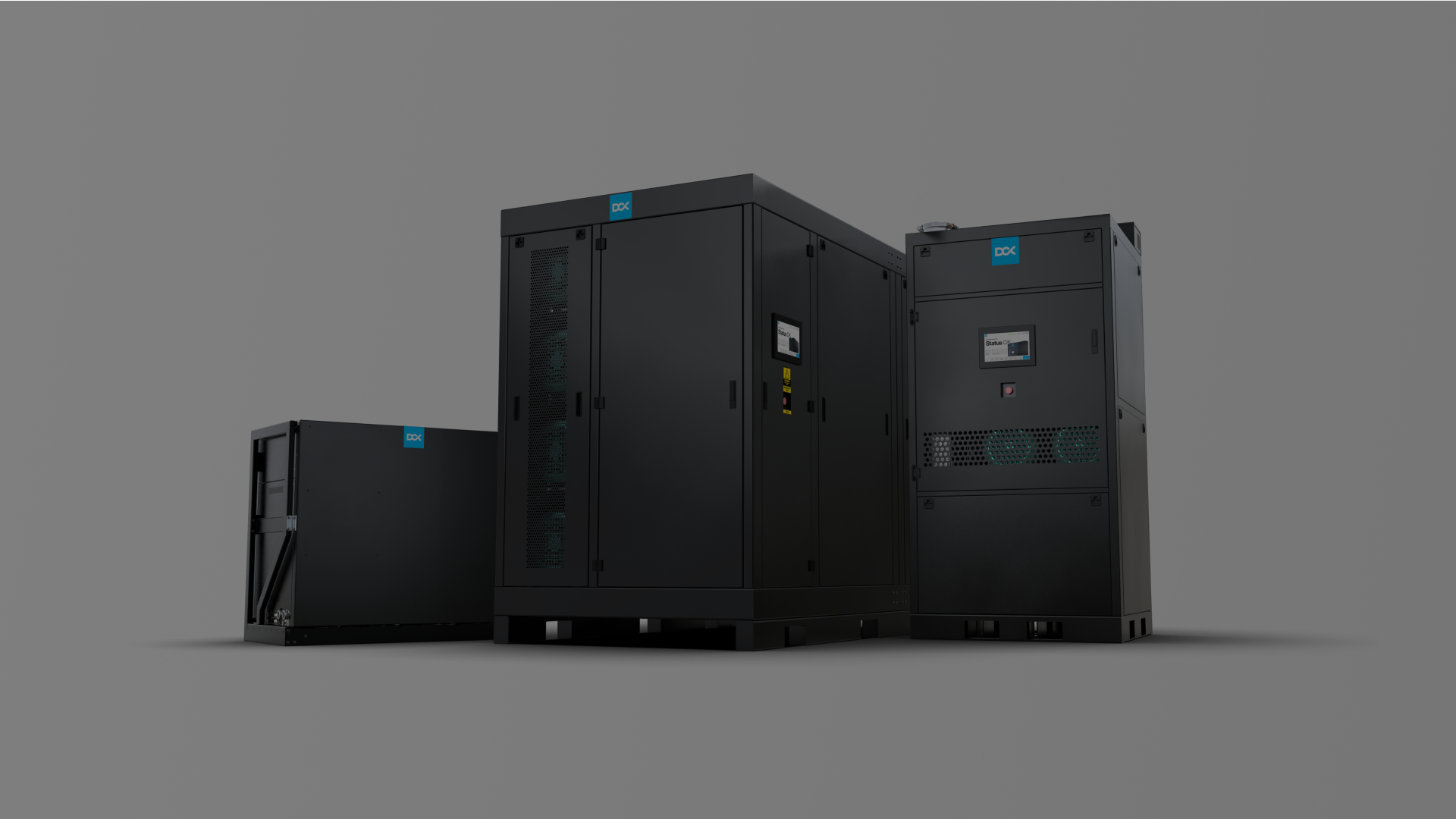
And this is exactly where DCX Poland is pushing the narrative forward, not with another product update, but with a headline-scale milestone: the premiere of an 8MW-class Facility Coolant Distribution Unit designed for 45°C warm-water AI deployments. It’s a signal that the industry is entering a new phase of facility-scale Direct Liquid Cooling, built for the hyperscale AI data halls.
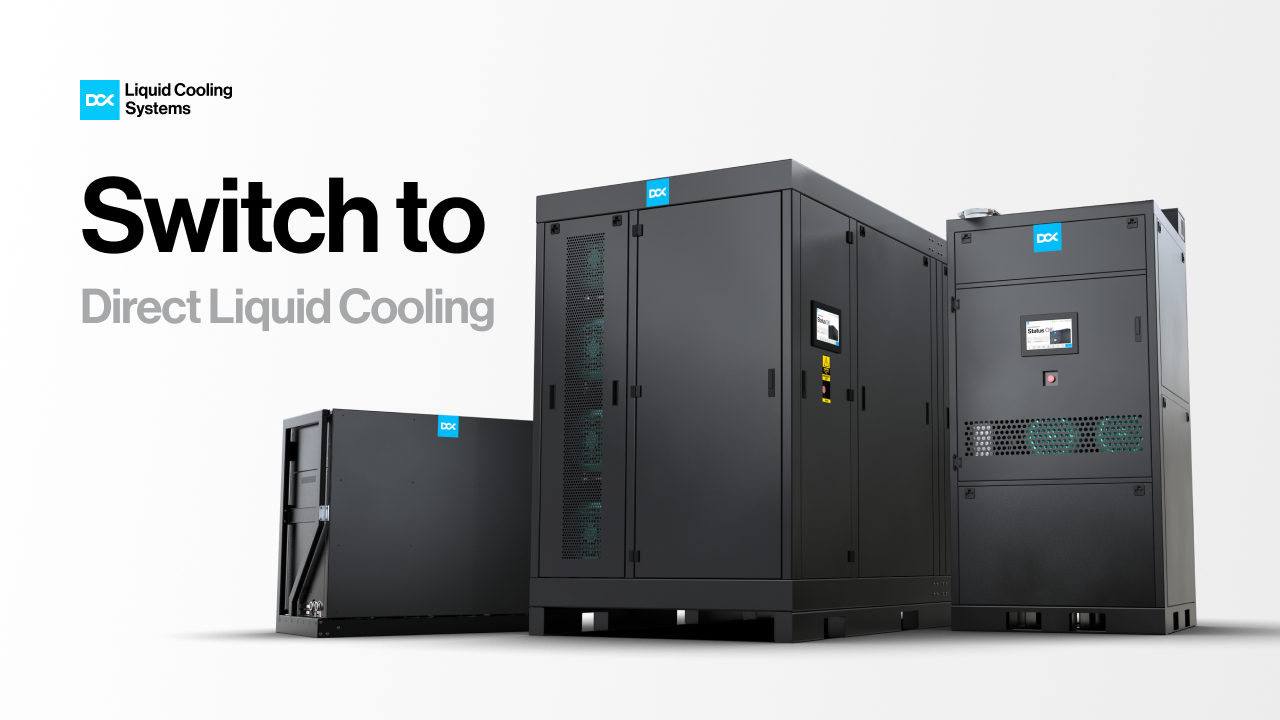
What Direct Liquid Cooling really is
Direct Liquid Cooling (DLC) marks the point at which a data center stops trying to tame hot air and treats heat as an engineered flow problem. Instead of forcing ever more air through aisles and hoping it reaches the hottest spots in time, a controlled liquid loop delivers cooling directly to cold plates on CPUs and GPUs: right at the package where performance is won or lost.
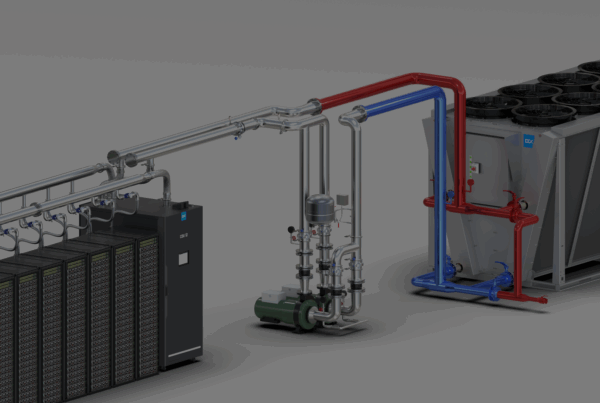
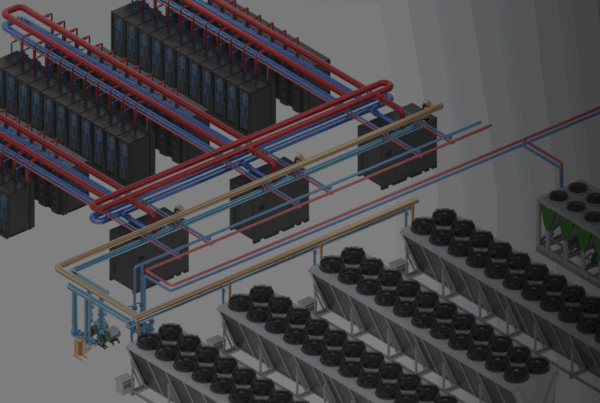
The heat is picked up at the source and carried through manifolds, quick couplings, and distribution piping to a CDU or, at facility scale, an FDU, where heat exchangers transfer it to the building water loop for rejection or reuse. The real shift isn’t just “more cooling,” but a new operating model: stable temperatures, predictable hydraulics, and a platform that can scale with every GPU cycle. Here’s a breakdown of the system:
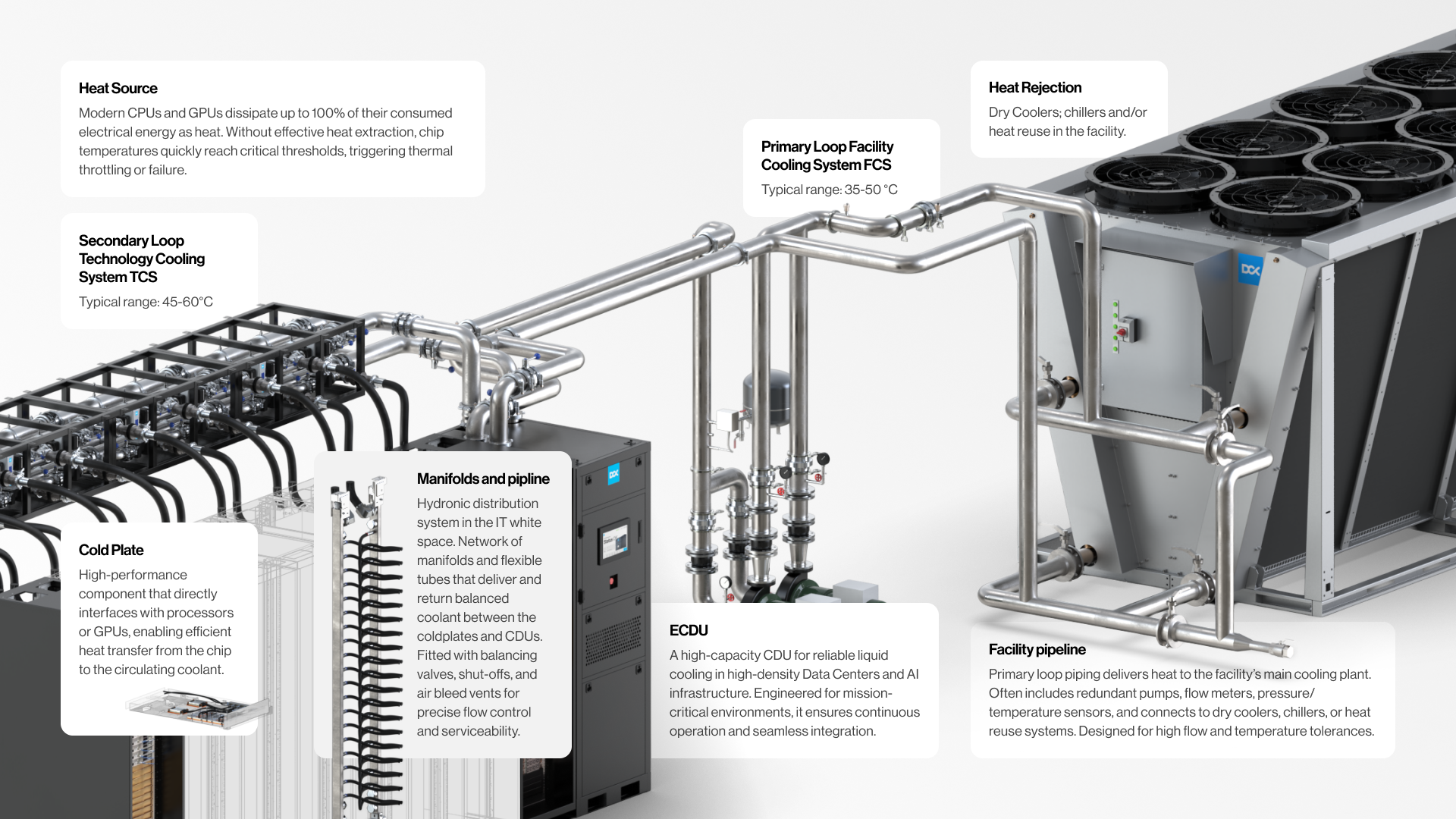
Figure 1. Direct Liquid Cooling topology in a modern data center
Direct Liquid Cooling (DLC) now operates in a fundamentally different thermal regime than earlier generations of data center cooling. Modern AI platforms from companies such as NVIDIA and Lenovo are increasingly designed for warm-water operation, with liquid inlet temperatures reaching up to 45°C at the server level. This reflects a broader industry transition away from low-temperature chilled-water dependency toward high-temperature, chillerless cooling architectures optimized for AI and HPC workloads.
In practical deployments, the thermal topology of a DLC system is defined by two loops: the Technology Cooling System and the Facility Water System. Under a typical high-efficiency operating scenario with ΔT ≈ 15°C and an approach temperature (AT) of approximately 2°C, the TCS supply temperature commonly operates in the range of 25-35°C, while TCS return temperatures reach approximately 40-50°C after absorbing heat from GPUs and CPUs. On the facility side, the FWS supply temperature is typically maintained at 23-33°C, with return temperatures increasing to approximately 38-48°C.
Crucially, in warm-water regimes, the limiting parameter shifts from how large ΔT can be tolerated to how little temperature is lost between the IT loop and the facility loop at the liquid-to-liquid interface. This is why low approach temperature (AT) becomes decisive: DCX targets AT ~2-4 K (up to ~5 K under peak conditions), enabling maximum utilization of warm-water cooling, preserving chillerless operating margins, and significantly improving the quality and usability of recovered heat for energy reuse applications.
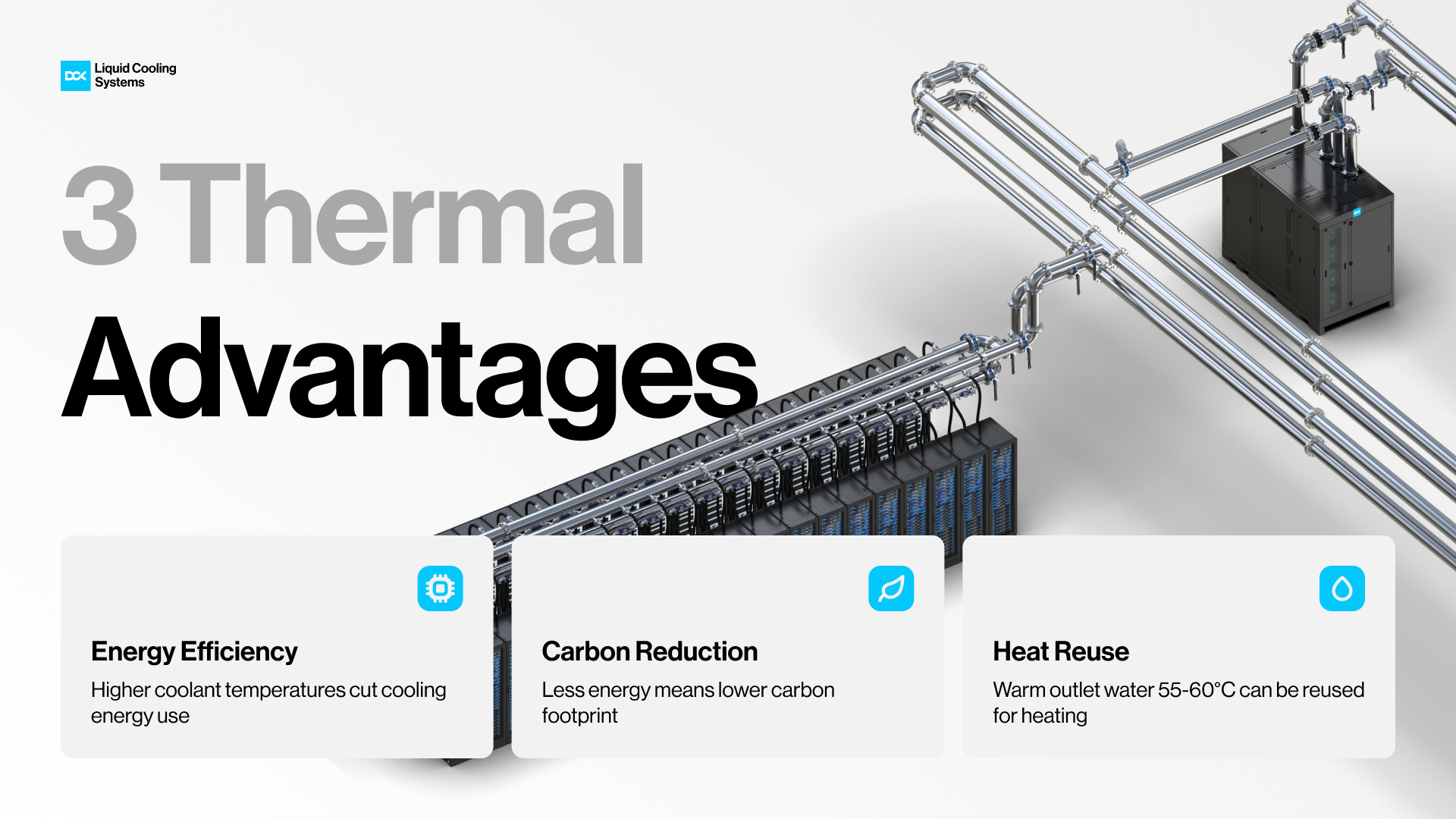
Figure 2. Data Center Liquid Cooling Market Overview
When Data Center Growth Meets Energy Limits
The ongoing transformation of the energy sector: encompassing grid modernization, decarbonization, and infrastructure digitalization, has accelerated in response to the sharp increase in power demand from data centers. In the United States, data centers are projected to account for approximately 6% of total electricity consumption (around 260 TWh annually), while in Europe, the rapid expansion of AI infrastructure has led to a step change in grid connection capacity requirements.
In certain countries, such as Ireland and the Netherlands, grid capacity constraints have led to temporary suspensions of new data center projects. In Ireland, existing data centers already consume roughly one-fifth of the nation’s total electricity demand, and this share is expected to rise further with the deployment of additional AI-driven facilities. At the same time, residential consumers are being encouraged to reduce electricity usage. As a consequence, in 2024, Google was denied permission to construct a new data center in Dublin. Similarly, in 2023, the city of Amsterdam announced that it would no longer permit the development of new data centers within its jurisdiction. Updated regulations prohibit new projects unless a direct and demonstrable benefit to the city can be proven.
Ireland is emerging as a prominent example of how energy regulation is increasingly influencing data centre development. In december 2025, the Commission for Regulation of Utilities (CRU) introduced an updated grid connection policy for large energy users, imposing new requirements directly affecting data centre developers. Under the revised framework, new data centres are eligible for grid connection only if at least 80% of their annual electricity demand can be met through renewable electricity generated in Ireland. However, the policy has already come under legal challenge, with critics arguing that it still allows up to 20% of electricity consumption for new facilities to be supplied from non-renewable sources. Legal experts warn that such judicial review proceedings could increase regulatory uncertainty and delay planning decisions. Similar legal challenges have already stalled major data centre developments in Ireland, underscoring the growing environmental and regulatory scrutiny facing the sector.
In this context, Direct Liquid Cooling should no longer be viewed solely as a response to rising AI processor TDPs. It becomes a facility-level energy optimization strategy, enabling a higher proportion of available grid power to be allocated directly to IT load, without increasing total site power capacity.
Direct Liquid Cooling isn’t stopping at servers
As power densities continue to rise, liquid cooling is extending beyond CPUs and GPUs into adjacent elements of the data center power stack: battery packs, switchgear, UPS systems, and busways, where thermal constraints increasingly limit reliability, lifetime, and power delivery. This broader adoption underscores a fundamental distinction between Immersion Cooling and Direct Liquid Cooling.
Both approaches address the same challenge, rapidly increasing rack and system-level heat flux, but they do so through fundamentally different architectural philosophies. Market data confirms that this architectural divergence is already shaping real investment decisions. Dell’Oro Group forecasts the data center liquid cooling market to approach USD 2 billion by 2027, with a compound annual growth rate of approximately 60% between 2020 and 2027.
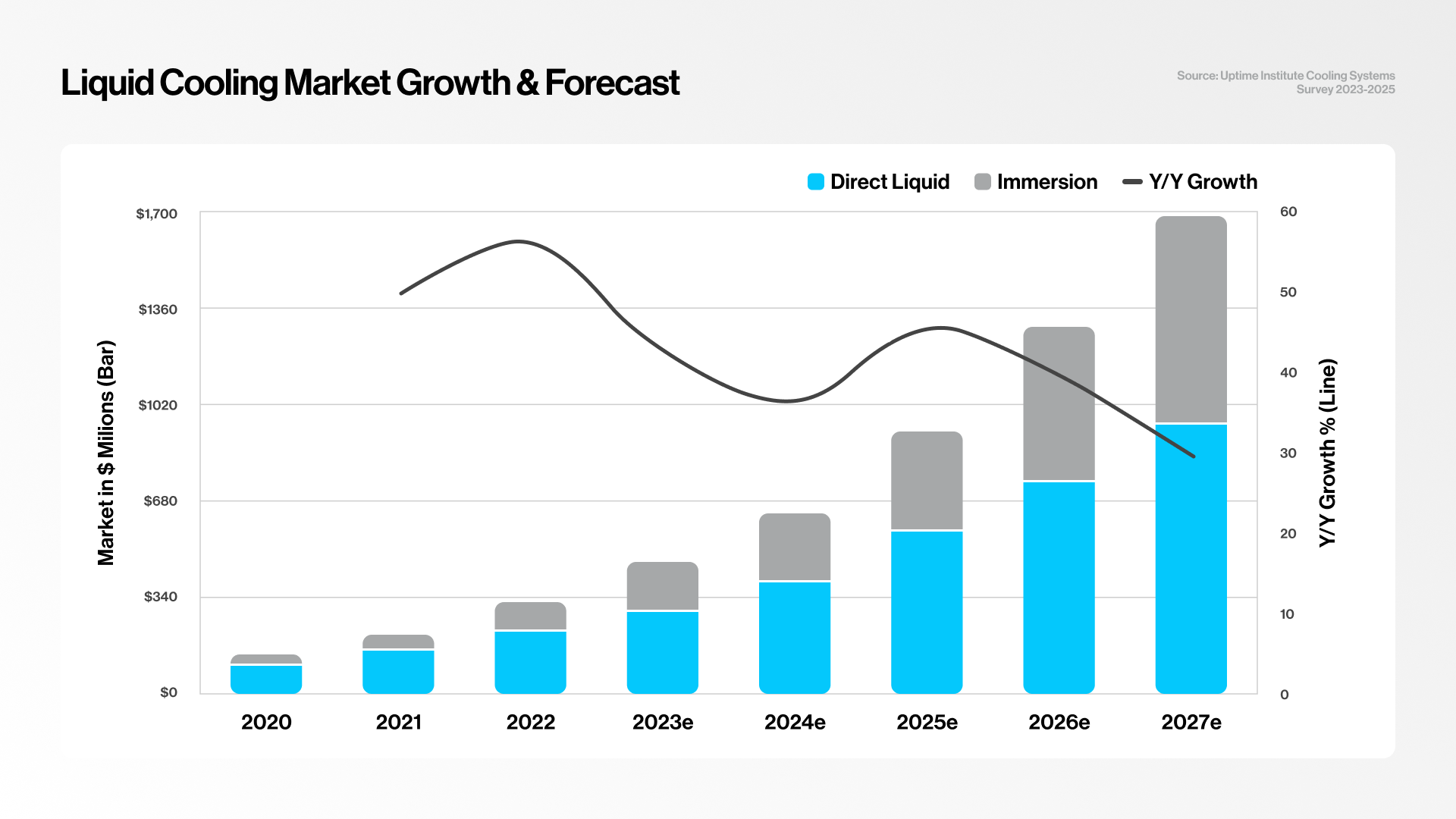
Figure 3. Data center liquid cooling market overview
Immersion cooling represents an “all-in” thermal strategy: the entire server is submerged in a dielectric fluid, enabling near-total heat capture across the full IT load. This comes at the cost of higher deployment complexity, often requiring changes to server form factors, maintenance procedures, and facility integration.
Direct Liquid Cooling is the more pragmatic, engineering-driven path: coolant circulates through cold plates on CPUs/GPUs, targeting the hotspots where most of the thermal load is generated and where performance is actually constrained. In practice, that’s why DLC is often easier to deploy in legacy data center environments, it can be introduced incrementally within existing rack and server architectures, then scaled as GPU platforms evolve.
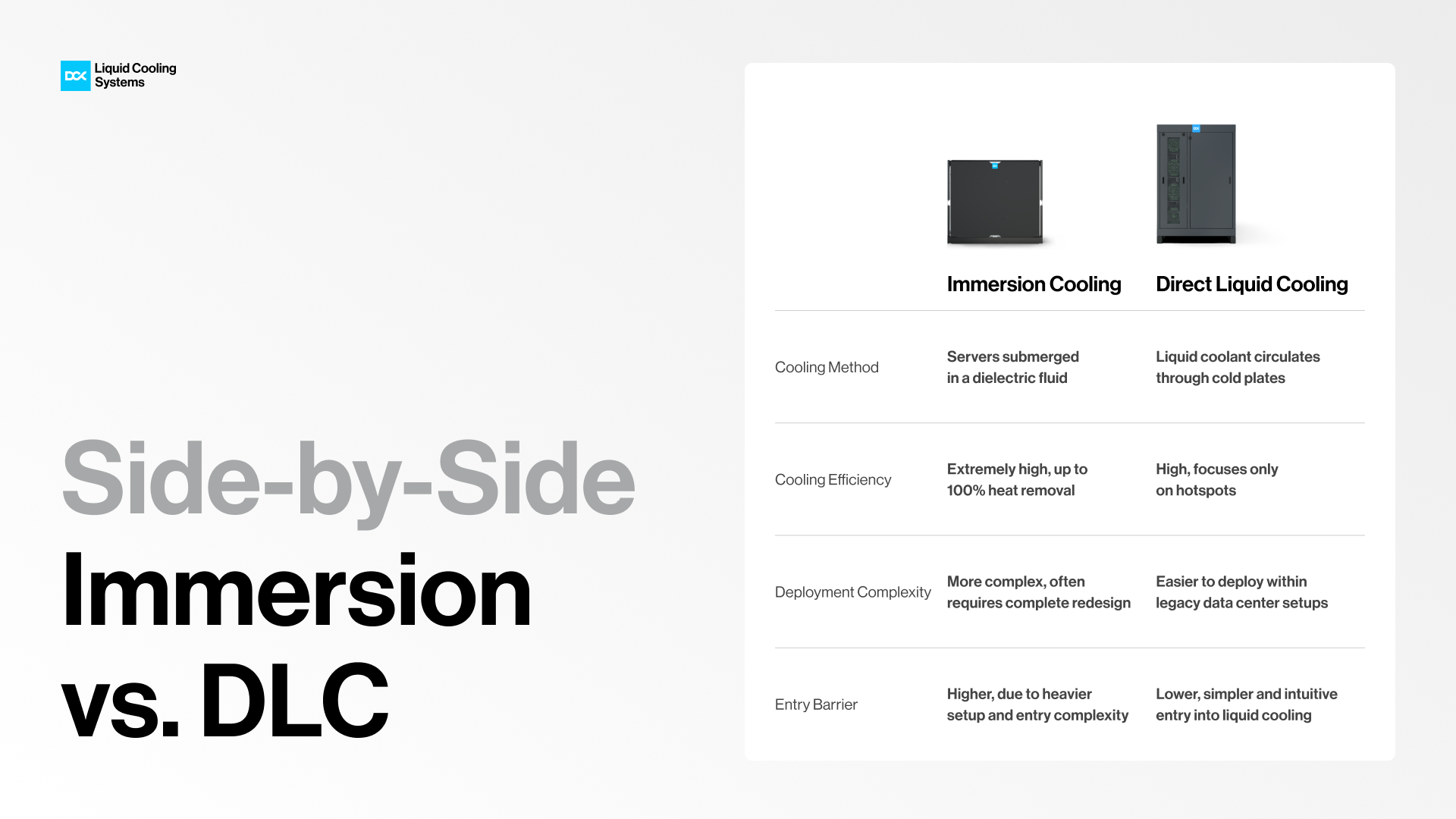
Figure 4. Immersion cooling vs Direct Liquid Cooling
Key Factors Influencing Direct Liquid Cooling Decisions
Higher rack densities remain the dominant structural driver of Direct Liquid Cooling adoption. Between 2023 and 2025, approximately 68-69% of respondents consistently identified rack power density as the primary trigger for deployment of Direct Liquid Cooling.
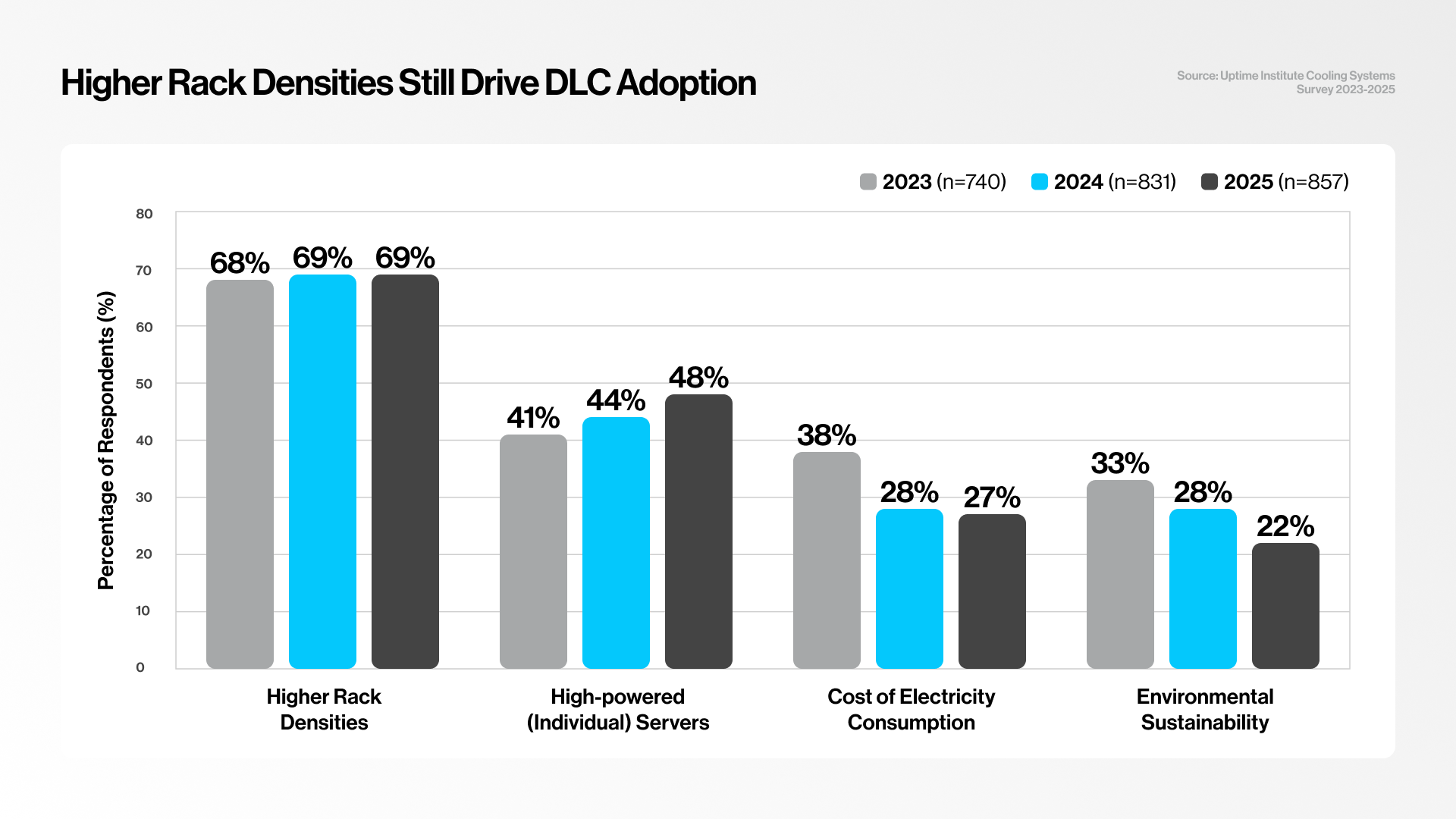
Figure 5. Higher rack densities still drive DLC adoption.
Source: Uptime Institute Cooling Systems Survey 2023-2025
However, while rising power density necessitates liquid cooling, current market data indicate that deployment decisions are increasingly driven by infrastructure readiness. Retrofit feasibility now ranks ahead of operating cost, maintenance, and design considerations. As a result, scalability and compatibility with existing facility systems have become primary decision filters, often assessed before cooling performance itself is evaluated.
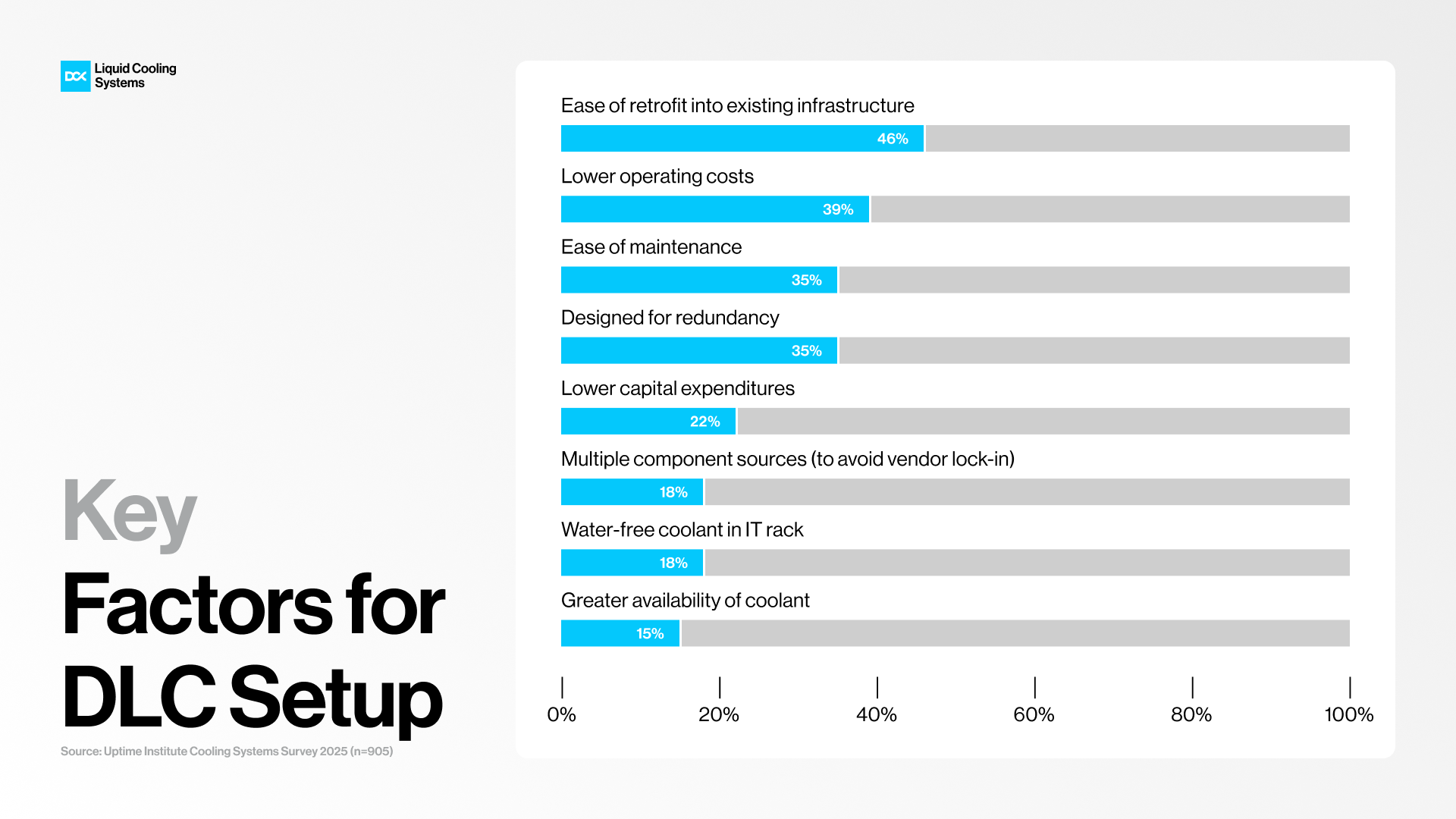
Figure 6. Most operators say retrofit ease determines DLC system viability.
Source: Uptime Institute Cooling Systems Survey 2025 (n=905)
At the same time, survey data show that operators clearly prioritize efficiency over broader sustainability metrics when evaluating cooling strategies. Energy efficiency is ranked the most important factor (87%), significantly ahead of water usage, refrigerant impact, embedded carbon, and lifecycle considerations. This indicates that while sustainability narratives remain present in industry discourse, real investment decisions are primarily anchored in measurable electrical performance, power availability constraints, and operational cost optimization rather than environmental attributes alone.
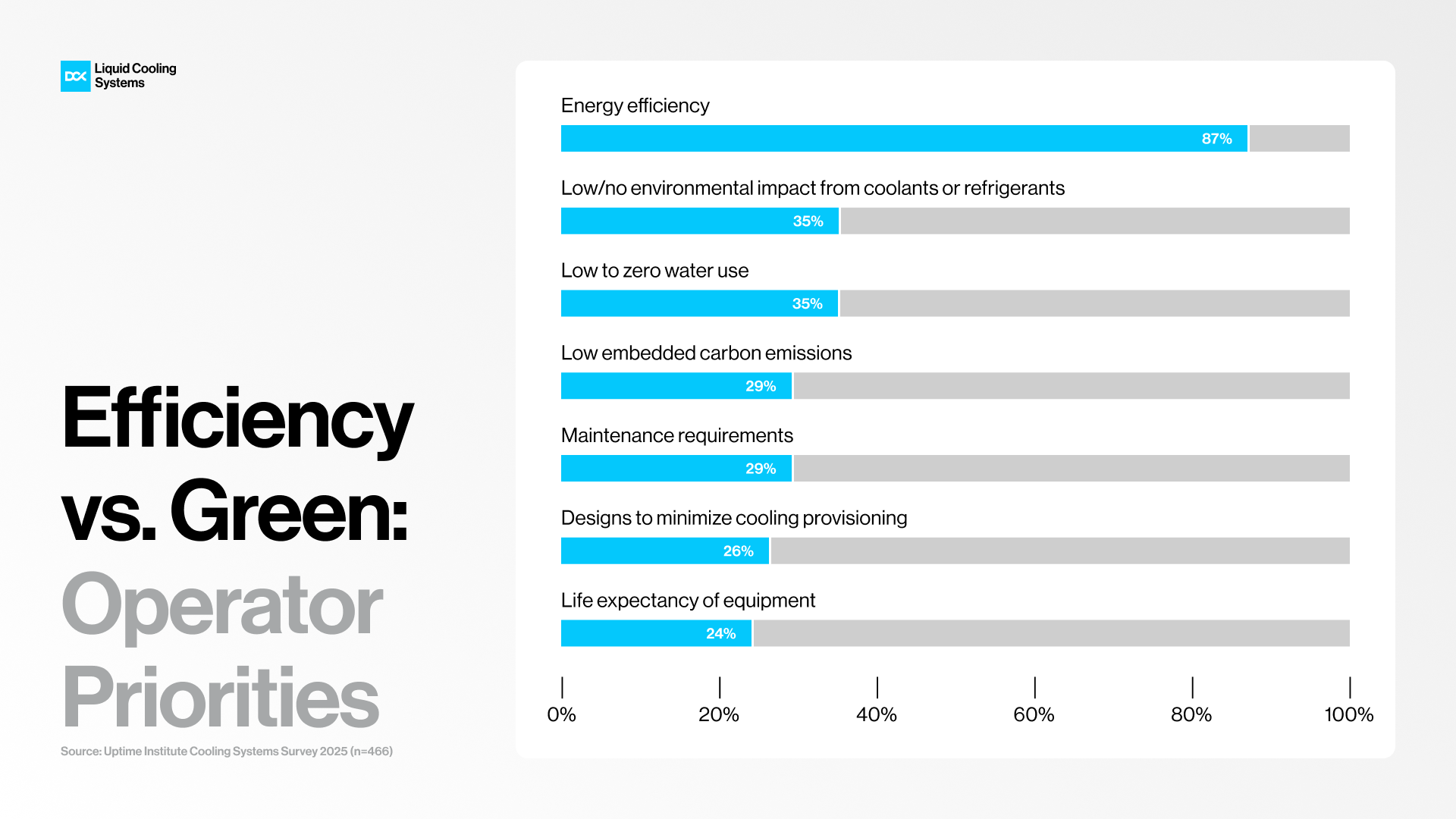
Figure 7. Operators favor efficiency over sustainability.
Source: Uptime Institute Cooling Systems Survey 2025 (n=466)
Why Direct Liquid Cooling Breaks the Limits of Air-Based Cooling
The advantages of DLC are best understood in light of the limitations of air-based cooling. In a traditional data center, air must be compressed, ducted, and repeatedly mixed before it reaches the hottest points, CPUs and GPUs, resulting in energy losses and practical scalability limits already around 15-20 kW per rack.
Direct Liquid Cooling reverses this model by removing heat directly at the source, using liquid with more than 3,000× higher heat-transfer efficiency than air. This enables stable operation of >100 kW racks, significantly lowers cooling energy consumption, and reduces the infrastructure footprint.
In addition, higher coolant supply temperatures make meaningful heat reuse possible, allowing waste heat to be recovered for building or district heating. In practice, DLC is not an incremental improvement to cooling but an architectural shift that enables data centers to scale safely and predictably with modern AI and HPC workloads.
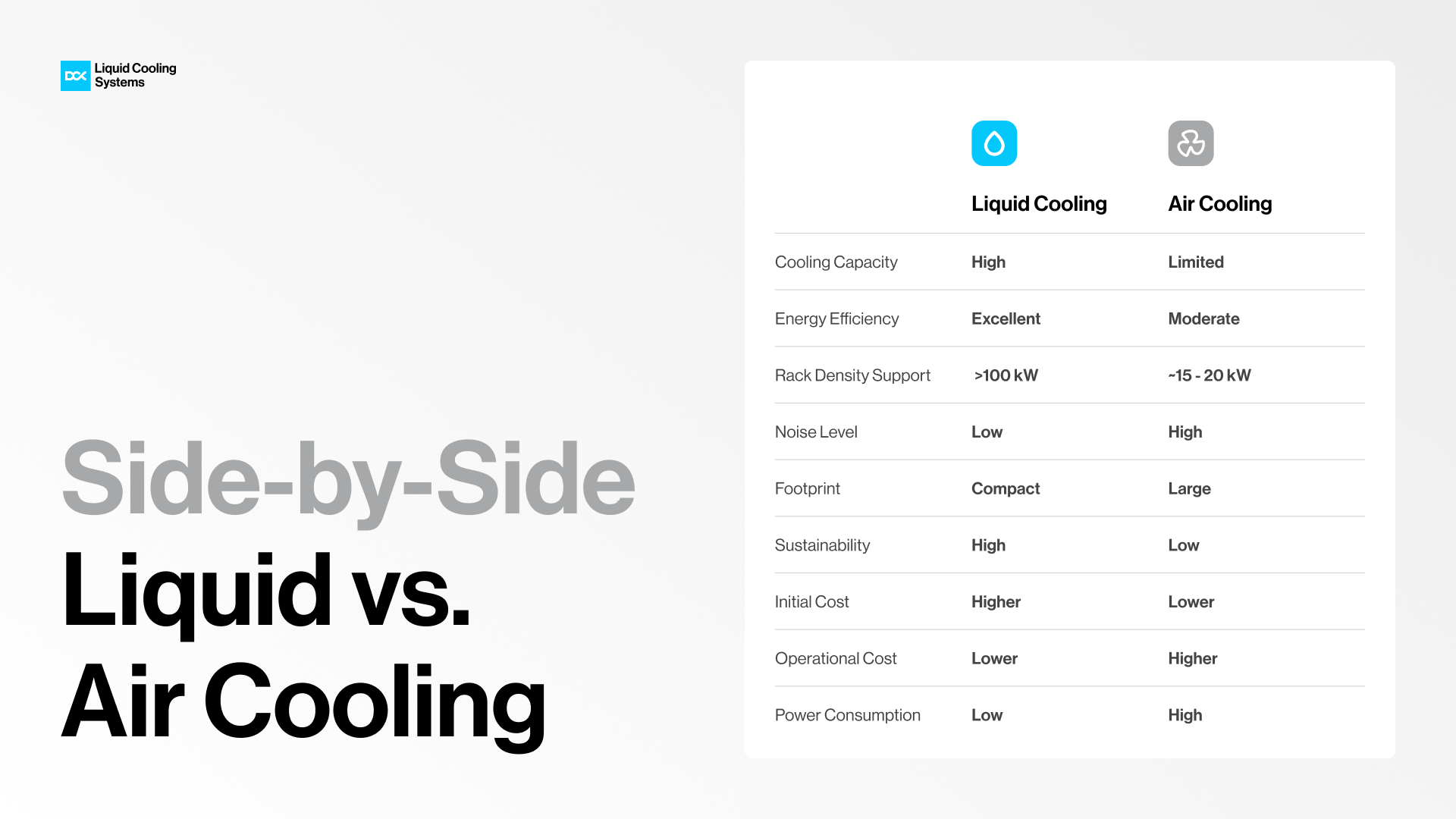
Figure 8. Data Center Liquid Cooling Market Overview
Why Direct Liquid Cooling is the cornerstone of AI-ready infrastructure
The artificial intelligence revolution has triggered an infrastructure crisis that most data centers were not prepared for. While companies rushed to experiment with generative AI and deploy large language models, a more fundamental challenge quickly became apparent: the physical infrastructure of existing data centers was never designed to handle AI’s unprecedented power densities and thermal loads.
AI clusters built around accelerators such as the NVIDIA Blackwell platform and high-core-count CPUs from AMD are routinely pushing rack densities beyond 60-100 kW. However, in the context of modern AI infrastructure, such power levels are increasingly becoming a baseline rather than a high-density benchmark. Current AI deployments at DCX typically target rack densities of 120-140 kW, with future designs expected to move toward 200 kW and beyond.
At these power levels, airflow requirements become mechanically impractical, fan energy consumption rises sharply, temperature gradients across the rack widen, and hotspot risk grows with every new GPU generation. This trend highlights not only the limitations of conventional air cooling, but also the growing need for liquid cooling architectures capable of scaling alongside rapidly increasing compute density.
Direct Liquid Cooling extracts heat directly from CPUs and GPUs via cold plates mounted on the package. The thermal path is short, controlled, and predictable:
- Conduction: chip → cold plate
- Convection: coolant through microchannels
- Hydraulic transport: manifold → CDU/FDU → facility loop
Instead of “cooling the room and hoping,” DLC treats heat as a managed fluid dynamic problem. For AI workloads, this means:
- Stable silicon temperatures
- Lower thermal cycling stress
- Higher sustained boost frequencies
- Reduced throttling under peak loads
Source: Dell’O Group January 2023 5-Year Forecast