Warsaw, Poland, May 29, 2026
Immersion cooling by DCX: turning heat into efficiency
While the overall liquid cooling market is expanding rapidly, immersion cooling remains a smaller, selectively adopted segment, primarily used in niche applications. The technology is particularly well-suited for environments where maximum heat removal and component protection are key priorities. It offers excellent thermal performance, but requires a higher entry threshold due to heavier infrastructure and the need to replace standard rack setups.
Despite efficiency advantages, the immersion cooling market faces barriers related to upfront capital investment, integration complexity, and the limited availability of server vendor-approved reference designs, which can raise compatibility concerns and potential warranty risks. Retrofitting existing data centers to support immersion tanks and specialized fluids requires infrastructure modifications, including new rack designs and fluid management systems. Compatibility concerns with legacy hardware and operational training requirements also slow adoption.
Addressing these challenges requires carefully engineered system architectures and deployment models tailored for high-density computing environments. DCX approaches immersion cooling development with this objective in mind, focusing on integrated solutions designed to simplify deployment while maintaining the performance benefits of full-contact liquid cooling.
What is immersion cooling and how does it work
Immersion cooling is a liquid-based thermal management technology in which complete servers are submerged in a non-conductive dielectric fluid. It is a full-contact cooling method: instead of extracting heat from selected components, the coolant surrounds and directly interacts with all heat-generating elements inside the server. CPUs, GPUs, memory modules, and power electronics transfer heat straight into the surrounding liquid, eliminating the need for traditional air circulation and significantly reducing air-side thermal resistance.
Heat generated by semiconductor devices is conducted through their packages into the surrounding dielectric fluid. The warmed liquid is then circulated toward a heat exchanger, where thermal energy is transferred to a secondary water loop and rejected to the facility cooling system. Because the fluid contacts every active surface, heat is removed uniformly and efficiently, enabling very high rack densities while maintaining stable operating temperatures. At the same time, the sealed liquid environment protects hardware from dust, humidity fluctuations, and airborne contaminants, thereby improving long-term reliability and extending equipment lifespan.
This method enables highly efficient heat capture at the component level through direct liquid contact, reducing external thermal resistance and improving overall system efficiency. It eliminates the need for server fans and traditional air-based cooling systems, while significantly reducing energy consumption in data center operations.
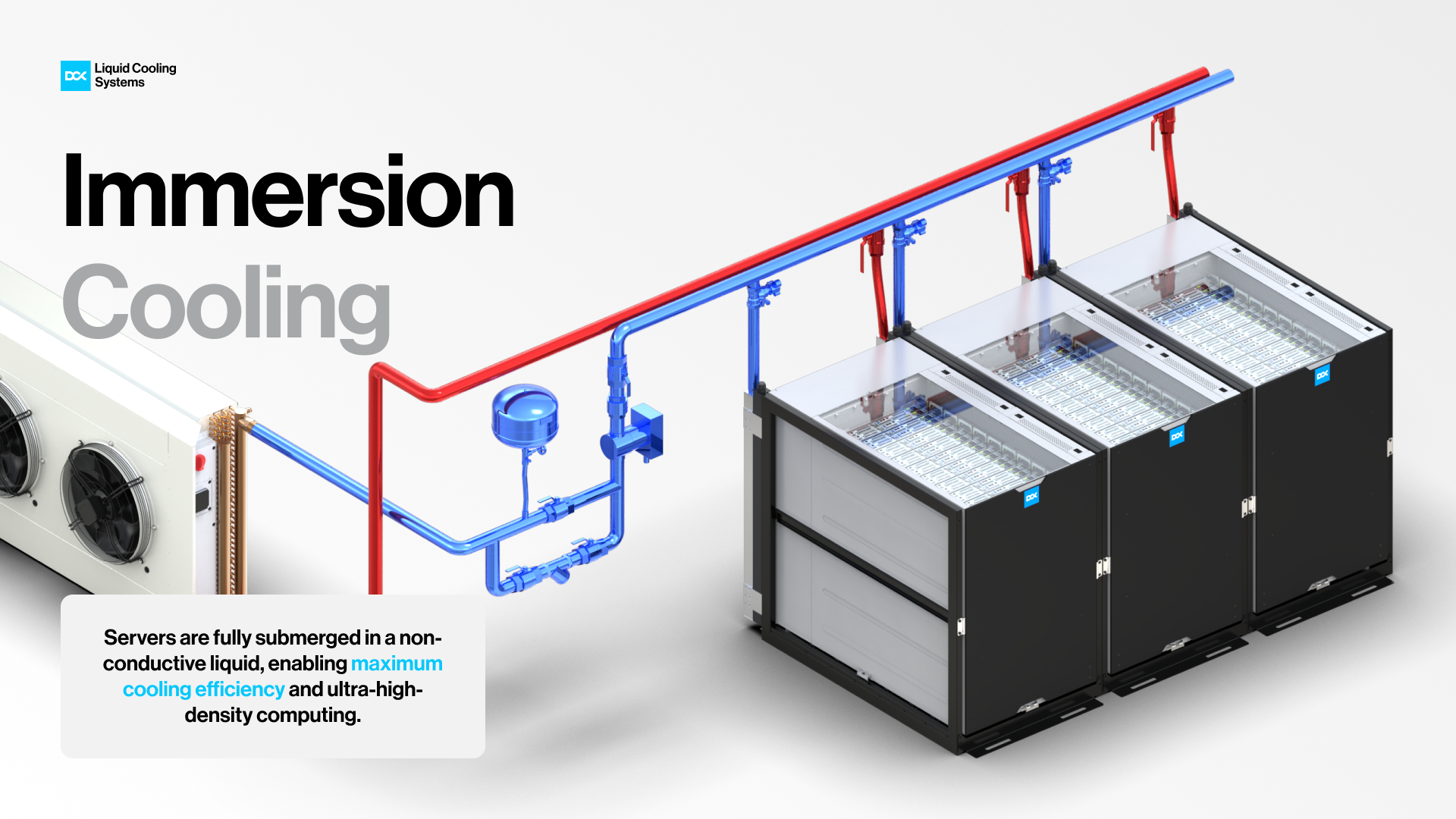
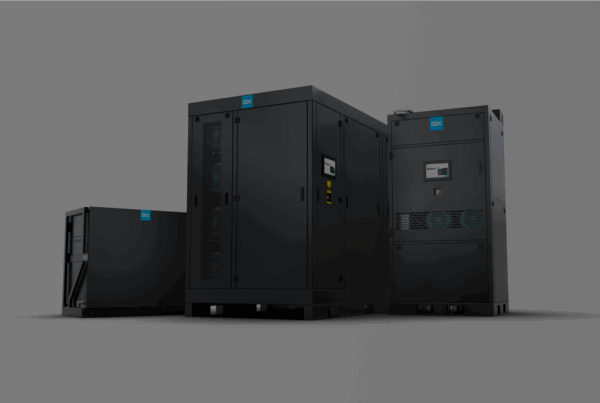
Figure 1. Immersion cooling
The liquid coolant naturally circulates around all elements of the server, including tight spaces between memory modules, storage devices, and voltage regulators, ensuring uniform heat removal even in locations where airflow cooling would be limited. This full-contact thermal environment reduces the formation of hotspots and helps maintain stable and predictable thermal conditions across the entire hardware platform. As a result, immersion systems typically experience fewer operational issues and can reduce routine maintenance requirements by up to 50% compared with conventional air-cooled infrastructure.
The performance of any immersion system, however, ultimately depends on the thermophysical and chemical properties of the dielectric fluid itself. In practice, not all commercially available immersion coolants provide the same level of long-term stability. Fluid lifetime is strongly influenced by base oil composition, purity, and resistance to oxidation and aging. Lower-grade fluids, including mineral oils and many group III hydrocarbon-based products, may contain residual impurities that accelerate degradation and reduce operational lifespan.
For this reason, DCX developed ThermaSafe R, an engineered dielectric fluid designed for high-density immersion cooling of ASIC and GPU systems, servers, and battery applications. The fluid is built on a highly refined synthetic hydrocarbon platform, combining synthesized hydrocarbons with polyalphaolefin (PAO) base stocks through advanced purification and ultra-drying processes. This results in a chemically clean and stable medium with non-detectable sulfur content, extremely low moisture levels, and consistently high dielectric. The fluid is non-toxic, non-allergenic, halogen-free, and highly biodegradable (98%), providing an environmentally responsible solution without compromising performance.
With an ultra-low viscosity of 5.1 cSt at 40°C, the fluid supports efficient circulation and heat transport, while low vapor pressure and a high flash point enhance operational safety under elevated temperature conditions. It is specifically engineered to ensure long-term material compatibility with electronic components and immersion system materials, minimizing the risk of degradation, swelling, or contamination over time. This chemical robustness supports an operational lifespan of around ten years with minimal degradation, enabling predictable long-term performance in large-scale installations.
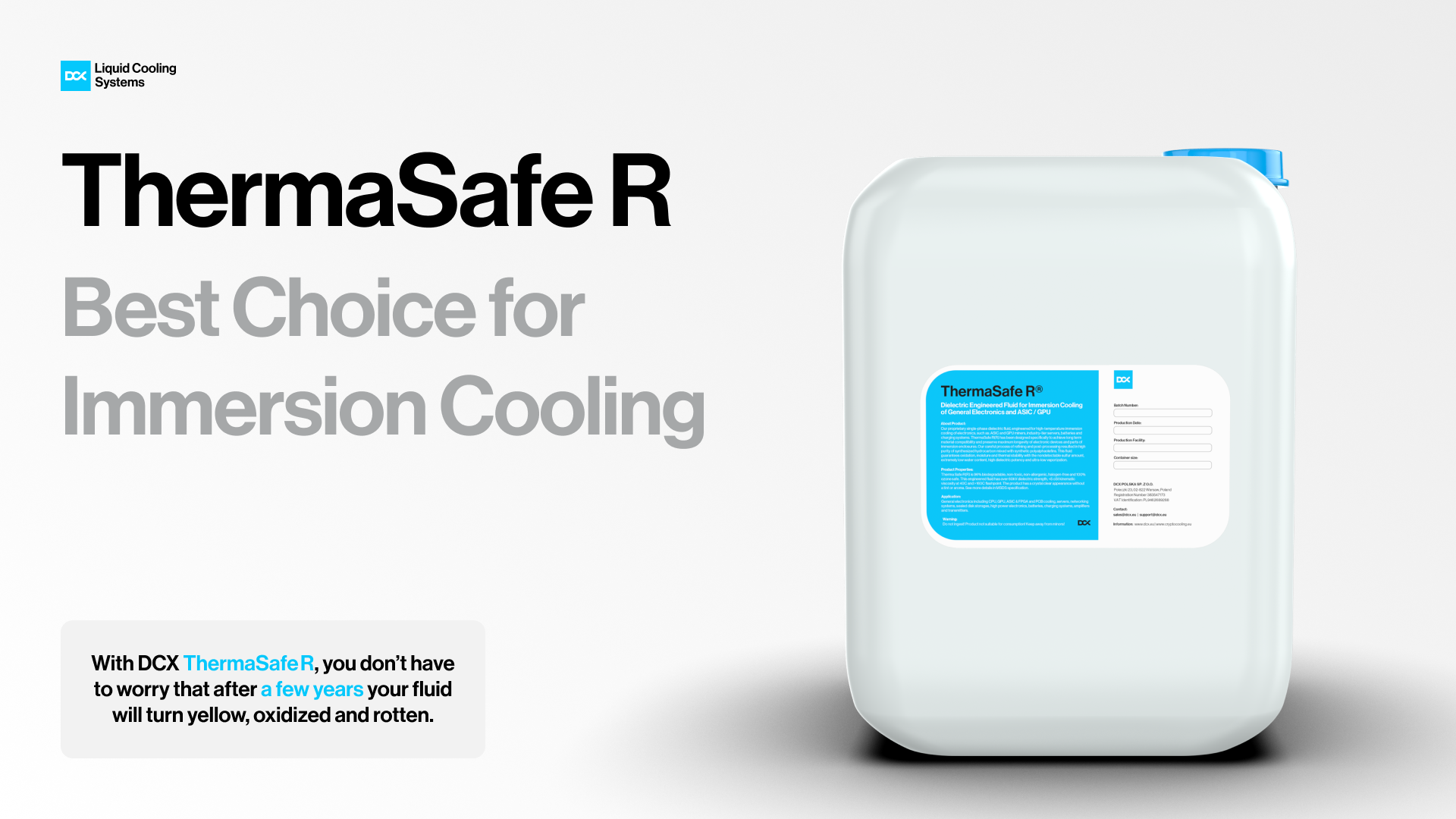
Figure 2. ThermaSafe R, dielectric immersion cooling fluid
Benefits of Immerscion Cooling
- Direct-contact heat transfer
Entire IT servers operate fully submerged in a dielectric, electrically non-conductive fluid. Heat generated by CPUs, GPUs, memory, and power delivery components is transferred directly into the surrounding liquid, significantly reducing thermal resistance and enabling highly efficient and uniform heat removal across the entire hardware platform. - Elimination of airflow-based cooling
Because the cooling medium is liquid rather than air, immersion systems do not rely on high-speed server fans or rack-level airflow management. The sealed liquid environment prevents dust accumulation, corrosion, and airborne contamination while reducing acoustic noise and eliminating many mechanical failure points associated with fan operation and filtration systems. - Improved operational reliability and simplified maintenance
Operating hardware in a controlled dielectric fluid environment isolates electronic components from humidity fluctuations and particulate contamination. This reduces component degradation and extends hardware lifespan while simplifying routine maintenance, with no air filters to replace, no fan assemblies to service, and fewer airflow-related operational issues. - Support for extreme compute densities
Immersion platforms are capable of sustaining very high power densities per rack while maintaining stable and uniform temperature conditions. For this reason, the technology is widely considered well-suited for high-performance computing clusters, AI training infrastructure, crypto-mining environments and other compute-intensive workloads where traditional air cooling approaches reach their practical limits.
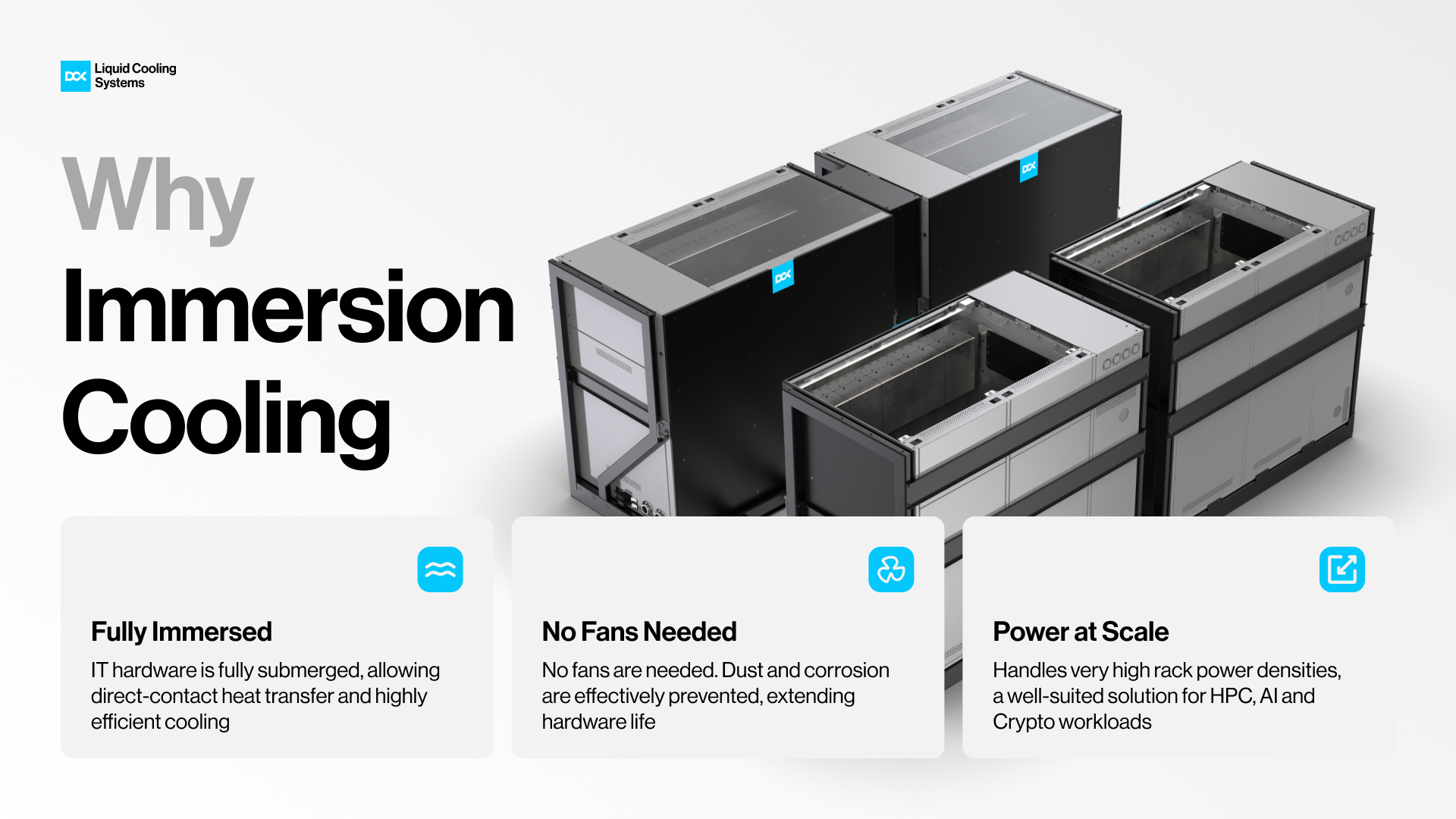
Figure 3. Why immersion cooling
Challenges and entry threshold
Despite its clear thermal and energy-efficiency advantages, immersion cooling still faces several practical barriers that influence its adoption in modern data centers. One of the primary challenges is the form factor of immersion tanks. Many currently available designs are extremely large and bulky, making integration into existing data halls difficult. Their size complicates installation, service access, and operational flexibility, particularly in facilities originally designed for conventional rack-based air cooling.
A second constraint arises from the form factor of the servers themselves. Most servers today are still designed for air cooling, which results in deep chassis with significant internal space intended for airflow management. When these servers are placed in immersion systems, the unnecessary depth increases the required tank volume, fluid quantity, structural weight, and material usage. Larger tanks also complicate internal flow management, making it more challenging to ensure uniform fluid circulation and avoid thermal saturation zones around high-power components. For immersion cooling to reach its full potential, both tank manufacturers and server vendors must move toward more compact, immersion-optimized hardware architectures that reduce volume while maintaining high compute density.
Cost remains another important adoption barrier. Many immersion solutions on the market are still significantly more expensive than traditional rack infrastructure, which raises the entry threshold for operators considering the technology. From an engineering perspective, immersion tanks should ultimately become as standardized and unobtrusive as IT racks, a simple infrastructure element rather than a premium engineering artifact. The real value lies in the servers and compute hardware inside the system, not in the enclosure itself. Driving down cost through simplified mechanical designs and scalable manufacturing will therefore be essential for broader market adoption.
Servicing submerged servers inevitably involves working with dielectric fluids, protective gloves, and components that may carry a thin oil film after removal from the tank. These operations are inherently more complex than in traditional air-cooled environments, requiring additional handling steps such as controlled draining, temporary storage, and fluid management. As a result, maintenance procedures may be more time-consuming, and spare parts workflows require adaptation to account for fluid exposure and cleanliness requirements. This represents not only a change in operational mindset but also a tangible increase in service complexity that must be addressed through proper procedures, training, and system design.
Direct-to-chip cooling vs Immersion cooling
Two liquid cooling approaches shape the conversation today: direct-to-chip cooling, which dominates enterprise environments, and immersion cooling, which remains largely limited to niche HPC and crypto applications. Each technology addresses the thermal challenges of high-density computing differently and is suited to different operational scenarios.
In Direct-to-chip cooling, liquid coolant flows through cold plates mounted directly on the highest-power components, such as CPUs and GPUs. Heat is extracted at the source and transported through a liquid loop to a heat exchanger connected to the facility cooling system. This architecture enables significantly higher rack densities than air cooling while maintaining compatibility with conventional rack layouts and server designs. Because DLC systems can be integrated into existing infrastructure, they are often used in facilities seeking to gradually increase compute density without redesigning the entire data center environment. Today, DLC is widely supported by major hardware vendors and remains the default choice for hyperscale and enterprise AI deployments, offering a lower cost per megawatt compared to alternative liquid cooling methods.
Immersion cooling, by contrast, removes heat by submerging entire servers in a dielectric, electrically non-conductive fluid. In this configuration, the coolant directly contacts all heat-generating components, allowing heat to be absorbed uniformly across the entire hardware platform. This approach eliminates the need for airflow management and server fans while protecting electronics from dust and environmental contamination. As a result, immersion systems can deliver extremely high thermal performance and are particularly well-suited for environments requiring maximum heat removal and hardware protection. However, these systems are typically more material-intensive, requiring specialized tanks, larger volumes of coolant, and dedicated infrastructure, which translates into a higher upfront cost per megawatt compared to direct-to-chip solutions.
In practice, the choice between these approaches depends largely on the deployment context. Direct-to-chip cooling is typically easier to introduce into existing facilities because it preserves traditional rack architectures and allows incremental upgrades. Immersion cooling, on the other hand, can support extremely high compute densities and highly stable thermal conditions, but often requires dedicated tanks, higher floor load capacity, and modifications to the surrounding infrastructure.
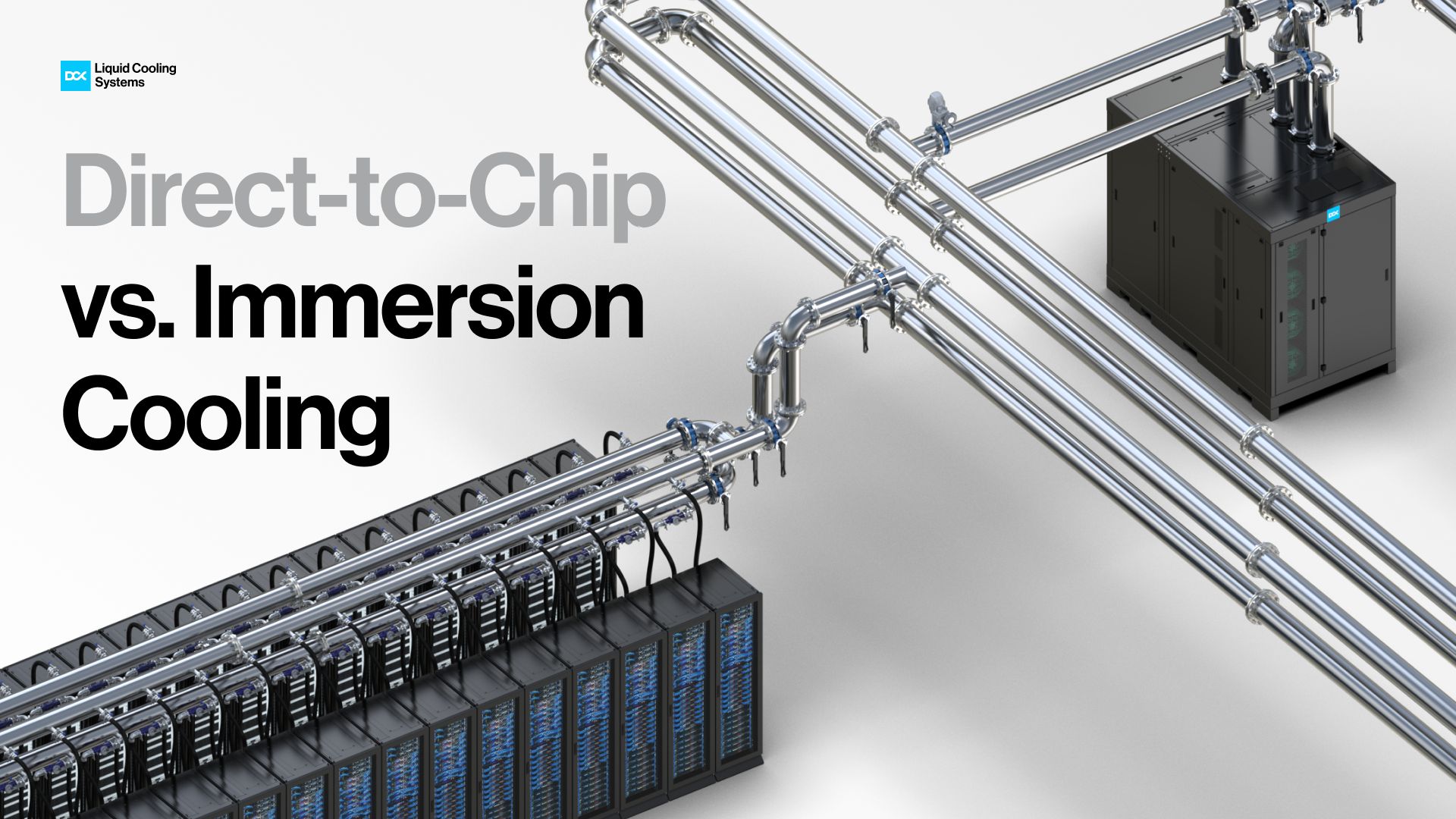
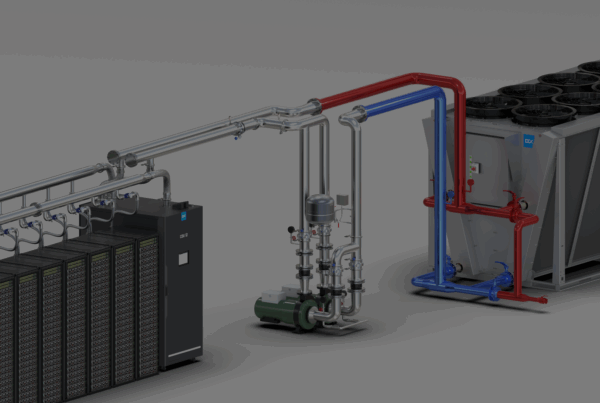
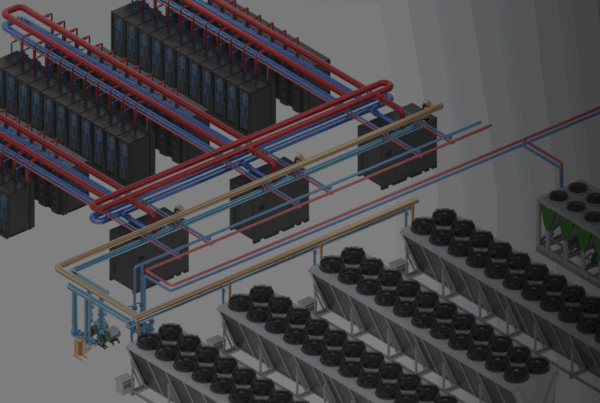
Figure 4. Direct-to-chip cooling vs Immersion cooling
The following comparison outlines the key differences between the Direct-to-chip cooling and immersion cooling.
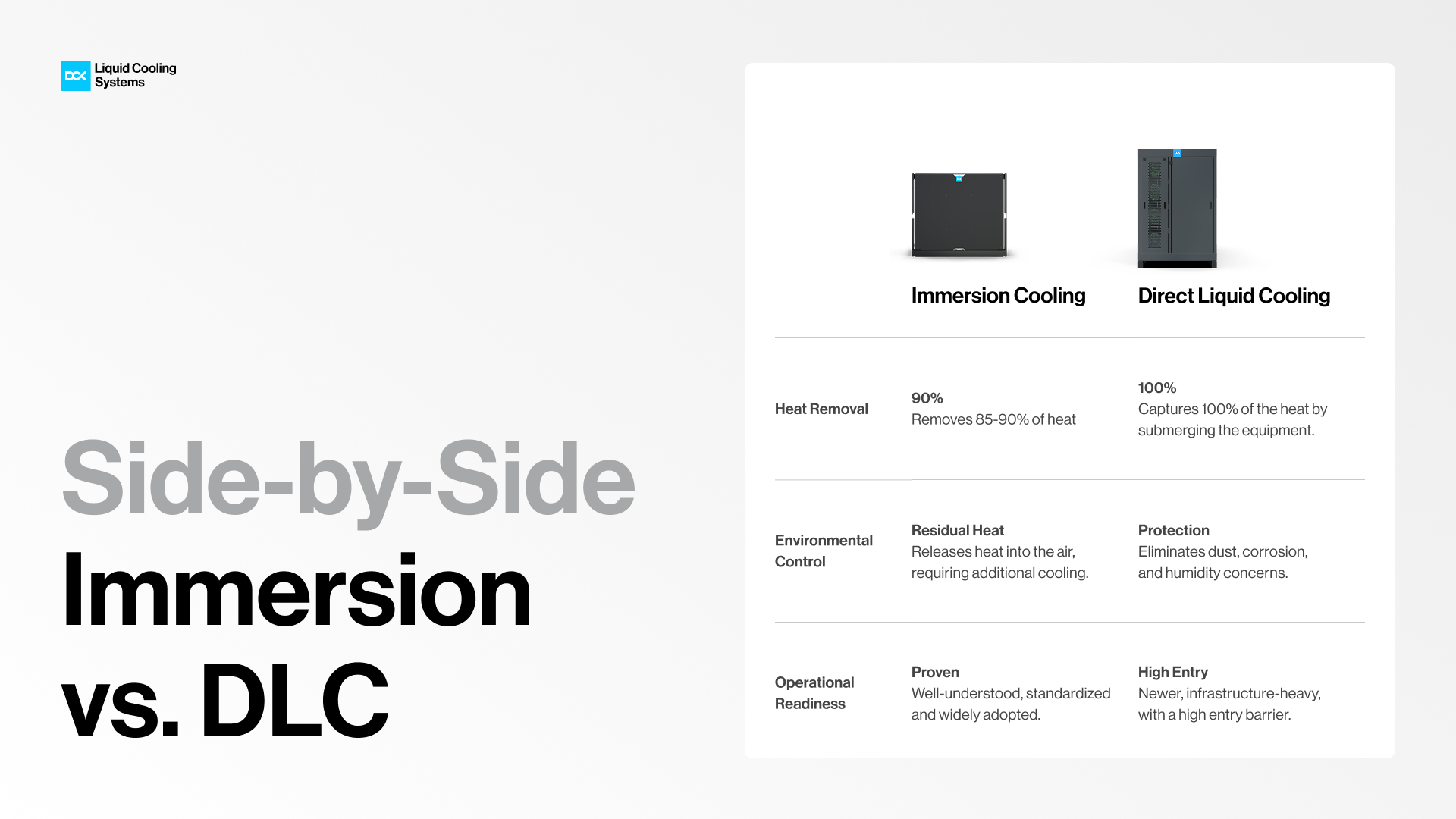
Figure 5. Comparison of Direct-to-chip cooling and Immersion cooling
DCX immersion cooling deployment
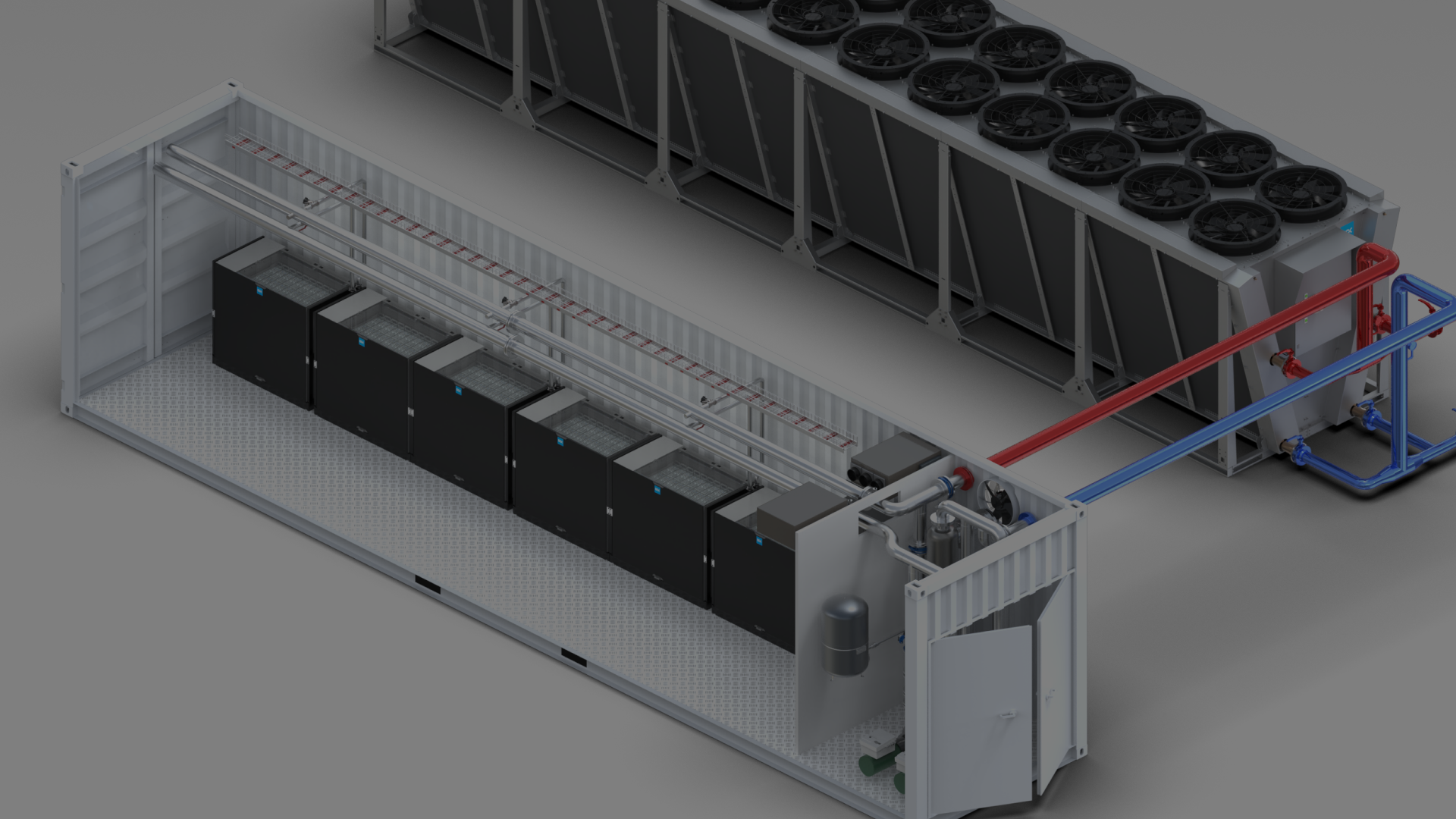
For operators looking to deploy immersion-cooled data center infrastructure quickly, DCX developed a fully integrated, containerized immersion platform designed as a complete end-to-end solution.
The system is delivered as a plug-and-play thermal module in which IT hardware operates fully submerged in dielectric fluid, enabling direct-contact heat removal and highly stable thermal conditions. Each container integrates immersion tanks, coolant circulation pumps, heat-exchange infrastructure, and connectivity to external dry coolers, forming a closed-loop cooling architecture ready for rapid deployment.
By combining hardware integration, thermal management, and deployment infrastructure within a single modular platform, DCX enables operators to deploy high-density computing environments with minimal on-site engineering while achieving high energy efficiency, silent operation, and long-term hardware reliability.
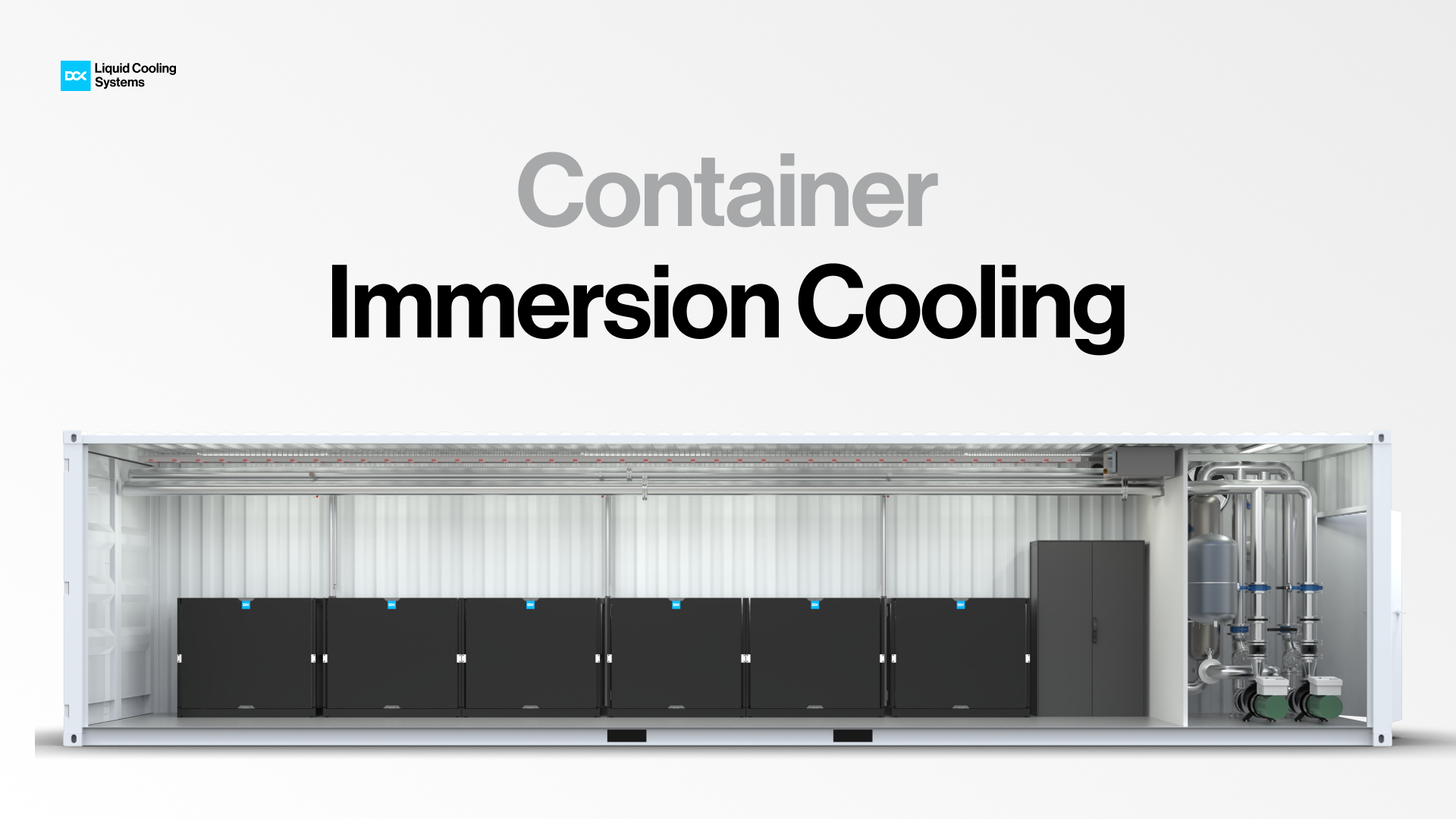
Figure 6. Container immersion deployment
In the harsh desert climate of Oman, where air temperatures routinely exceed 37°C and dust exposure creates severe reliability challenges for conventional cooling, a scalable, energy-efficient compute infrastructure was required. A fully sealed, water-free cooling solution was sought, capable of stable performance in extreme thermal and environmental conditions.
To meet these environmental requirements, DCX designed and delivered a fully integrated, containerized immersion cooling platform engineered for extreme climate operation. DCX deployed a robust, containerized immersion cooling deployment designed for scalable compute workloads, configured for a maximum thermal load of 1.3 MW.
The system integrates DCX PRO9 immersion enclosures inside a reinforced ISO-grade container, configured for a total system capacity of 1.3 MW. Each immersion tank supports high-density mining hardware, submerged in dielectric coolant to eliminate thermal cycling, protect electronics from dust and sand, and significantly reduce mechanical wear. The container houses industrial-grade coolant distribution manifolds, sealed power busways, and fully redundant pumping modules for continuous operation in sand-laden environments.
Heat rejection is handled by high-efficiency dry coolers, engineered to sustain optimal operating conditions at 37°C ambient temperature, eliminating the need for evaporative systems or process water. External armored piping and reinforced inlet/outlet modules are installed to withstand environmental stress, UV exposure, and abrasive desert particulates. All critical hydraulic and electrical components operate in a sealed environment with multi-stage filtration and corrosion-resistant wetted materials. To ensure uninterrupted uptime in remote desert conditions, the infrastructure supports both grid-connected and off-grid power architectures.