Warsaw, Poland, May 25, 2026
Redefining efficiency: How and why data centers are embracing heat reuse?
Modern data centers are increasingly built around high-density AI infrastructure and liquid-cooled systems, enabling far more efficient heat capture than legacy air-cooled designs, creating a technological inflection point. As a result, instead of discarding thermal energy into the environment, a new approach is taking hold: Heat Reuse, in which data centers repurpose the heat they generate for productive use, turning a by-product of computing into a valuable energy resource.
How Heat Reuse Works in Modern Data Centers
Heat reuse in data centers is the practice of capturing a significant amount of thermal energy generated by IT and cooling systems that would otherwise be wasted and repurposing it for productive applications within the local community or industry. The core concept is to intercept this waste heat before it dissipates and transport it to where it can be effectively utilized.
Modern data center infrastructures are no longer designed solely to remove excess heat and prevent overheating – they are increasingly engineered to recover, upgrade, and deliver thermal energy as a usable resource. The successful implementation of heat reuse in a data center depends on several interconnected key components working together seamlessly:
- At the heart of the system are heat exchangers, which transfer thermal energy from the data center’s cooling loop to a secondary circuit.
- When the recovered heat isn’t hot enough for district heating or industrial uses, heat pumps become essential. Using a small amount of electrical power, they raise the temperature of the captured heat to levels suitable for municipal networks, commercial buildings, or other thermal off-takers.
- Once upgraded, the heat is transported through insulated pipelines designed to reduce thermal losses during distribution. Circulation pumps maintain continuous flow throughout the entire system, from the data center cooling infrastructure, through heat exchangers and heat pumps, to the community’s distribution grid.
- Overseeing this process is an advanced control and monitoring system that manages temperature, pressure, and flow rates, while balancing the data center’s cooling needs with real-time heat demand. These systems often connect with smart-grid technologies, enabling dynamic optimization and ensuring that heat is delivered efficiently and reliably.
This process converts a costly by-product into a valuable energy resource, substantially improving the data center’s overall energy efficiency and reframing the facility as a distributed, highly available heat source capable of supplying nearby residential, commercial, or municipal heating systems.
Why Heat Reuse Is Becoming Non-Optional
Heat Reuse has evolved from a niche concept to a critical necessity. Between 2021 and 2023, Europe experienced some of the highest electricity and gas price volatility in decades, pushing operators to seek stable and local energy alternatives. At the same time, the global rise in average temperatures and the growing frequency of extreme weather events highlight the urgent need for solutions that address climate change, making heat reuse a practical and immediate lever for decarbonization.
In 2023, the German parliament passed the new Energy Efficiency Act (“EnEfG”). The purpose of the law is to contribute to the reduction of energy consumption as well as fossil energy consumption and ultimately to mitigate climate change by increasing energy efficiency. Data center operators will be required to cover 50% of their electricity consumption from January 1, 2024, and 100% from January 1, 2027, with electricity from renewable sources.
Economics is shifting as well. In many European regions, waste heat from data centers is treated as a valuable thermal resource that can directly support local district heating networks. A clear example comes from Odense, Denmark, where Meta’s hyperscale facility delivers around 100,000 MWh of surplus heat per year to the municipal utility Fjernvarme Fyn, enough to warm some 7,000 homes. After heat pumps upgrade the temperature, the recovered energy supplies thousands of households and reduces the city’s reliance on gas-fired boilers.
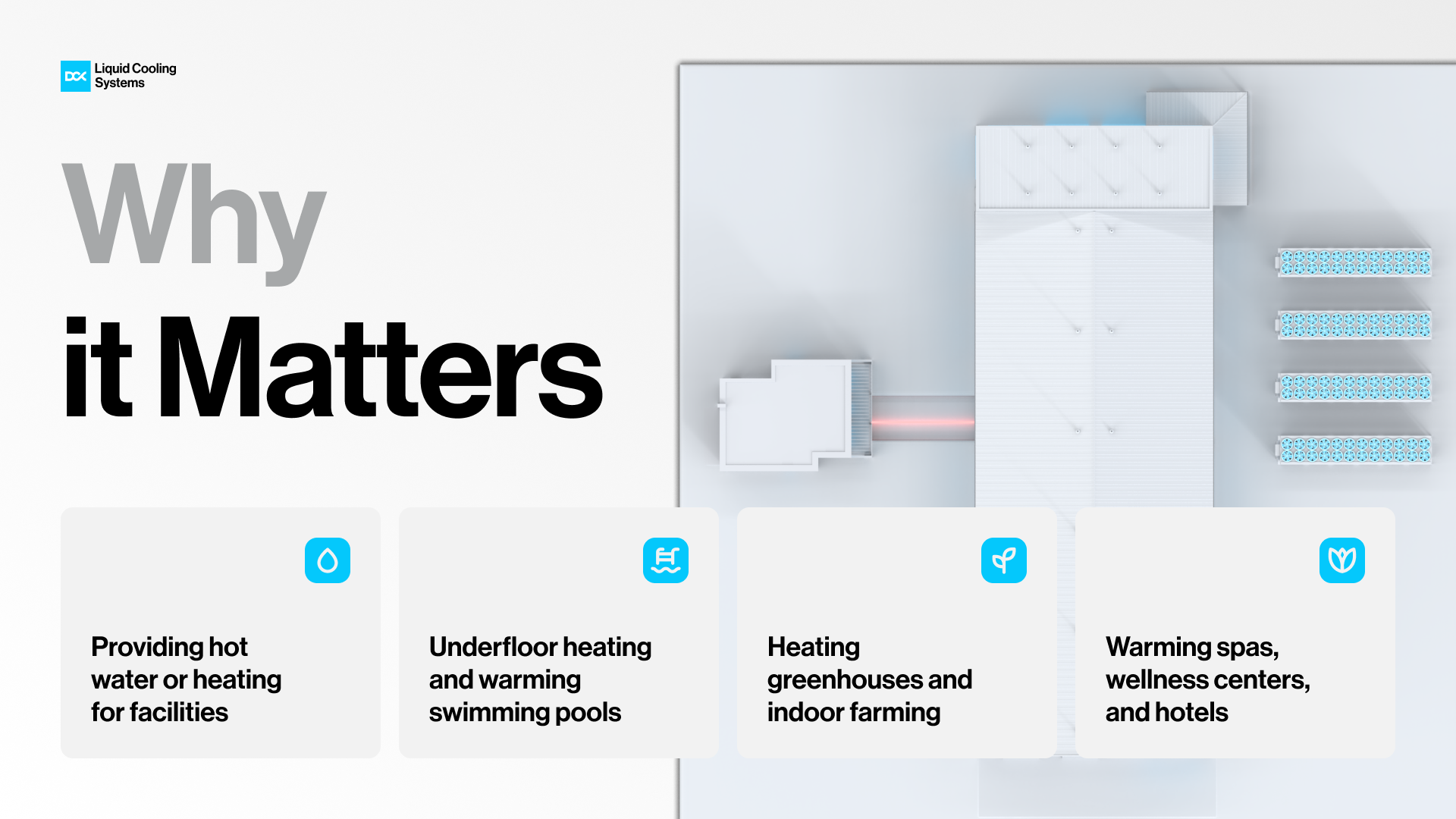
Figure 1. Why Heat Reuse is becoming non-optional
Why Heat Reuse is Becoming the Central Debate
Several EU countries are now introducing mandatory heat-reuse requirements. Germany’s Energy Efficiency Act (EnEfG) mandates that all new data centers opening after July 1, 2026, must achieve at least a 10% Energy Reuse Factor (ERF), with targets increasing to 15% in 2027 and 20% in 2028. The law also requires operators of large facilities to disclose the amount of recoverable waste heat and actively work with nearby district heating networks whenever technically and financially feasible.
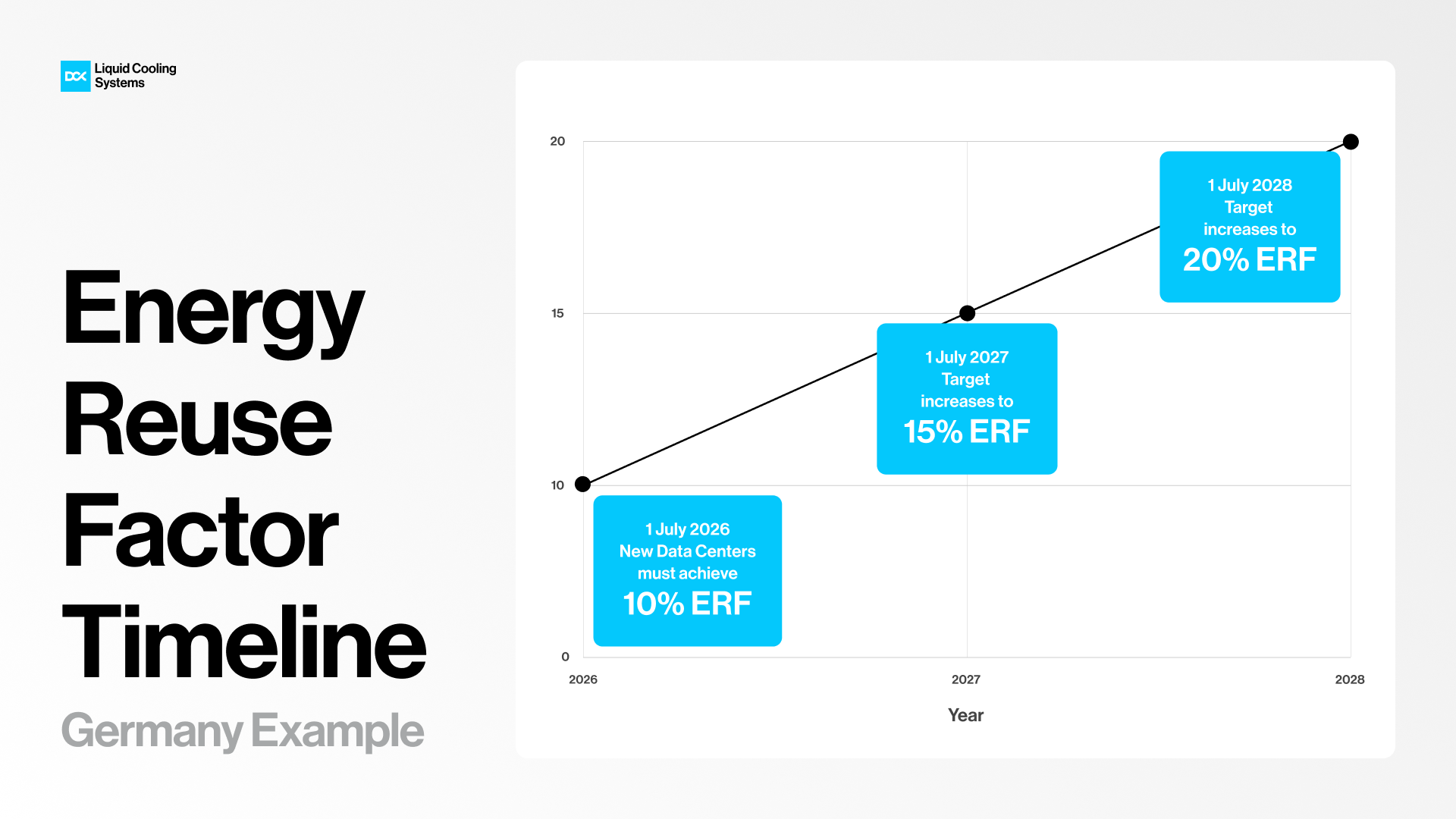
Figure 2. Energy Reuse Factor Timeline Germany Example
According to the Eurostat report, households, the residential sector, accounted for 26.2% of final energy consumption in the EU, and within this segment, heating is the primary driver of demand. Most of the final energy consumption in EU households was covered by natural gas (29.5%), electricity (25.9%), and renewable energy sources and biofuels (23.5%).
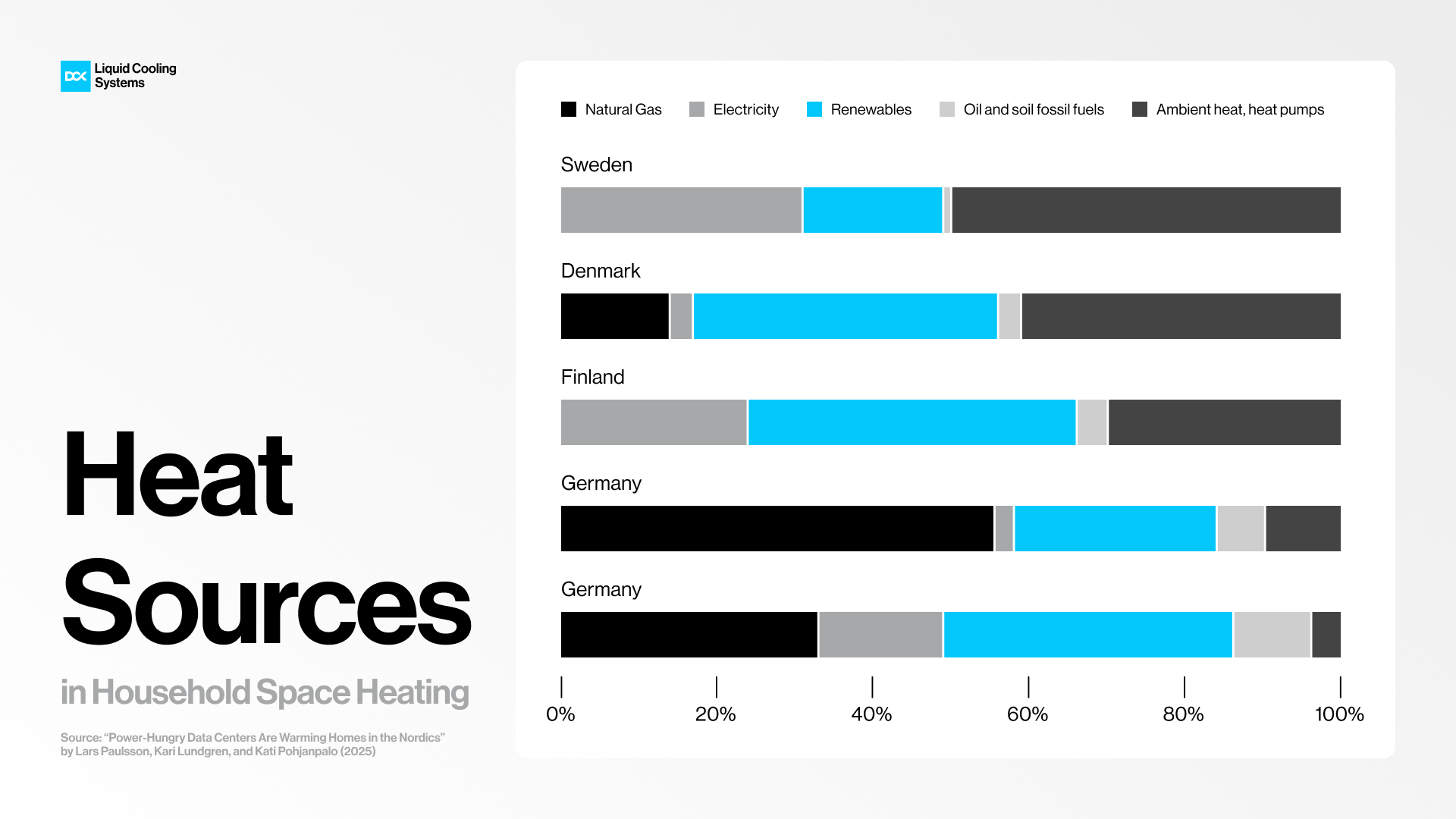
Figure 3. Households’ energy mix for space heating
This household trend mirrors a broader EU-wide shift: the use of renewable energy in heating and cooling has reached its highest level since records began, continuing a steady upward trajectory. Approximately 62.5% of household energy is used for space heating, and a further 15.1% for domestic hot water, meaning that a total of 77.6% of household energy consumption is allocated to thermal needs.
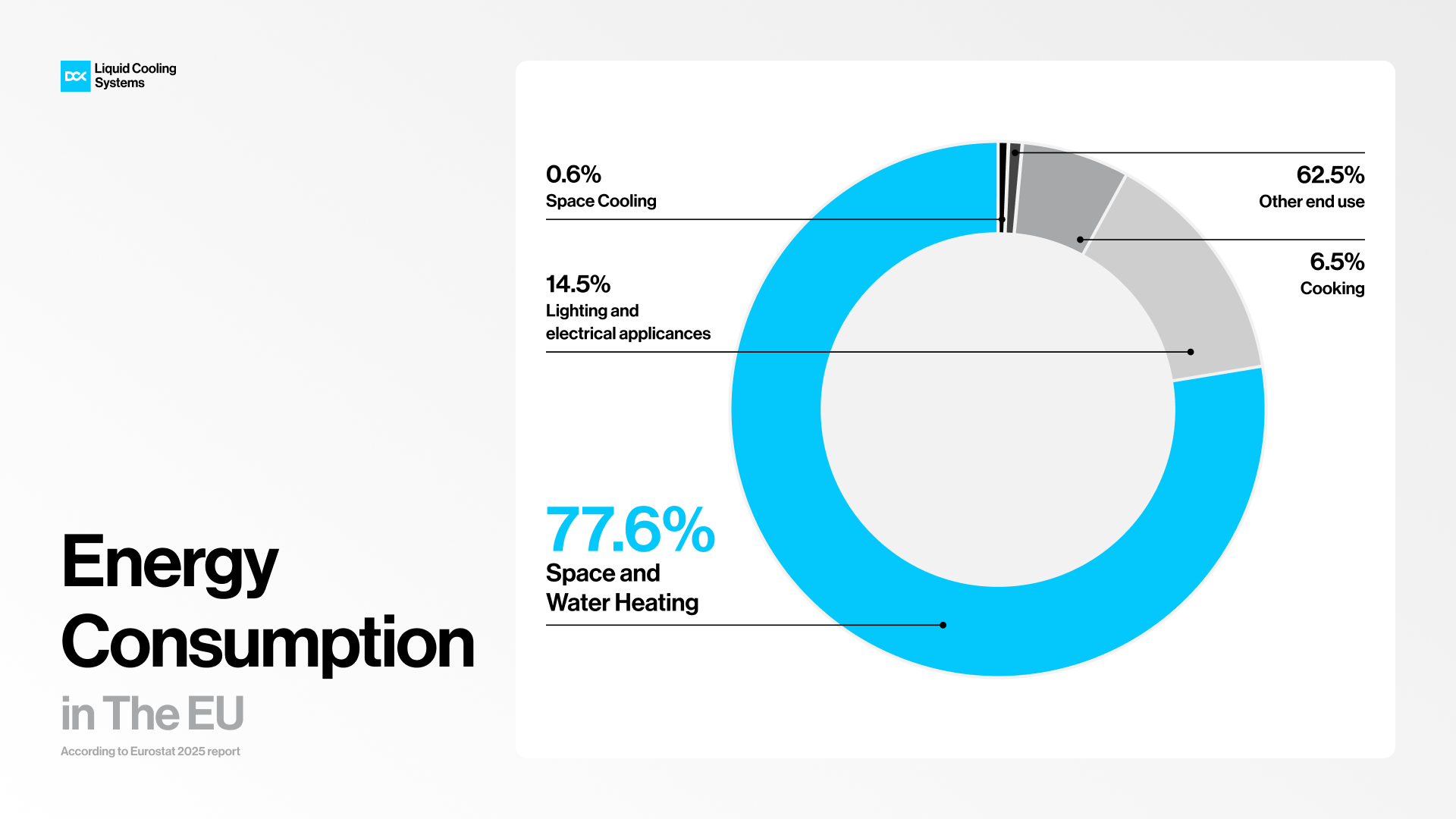
Figure 4. Energy Consumption in EU
Heat Reuse Models: From Micro to City Scale
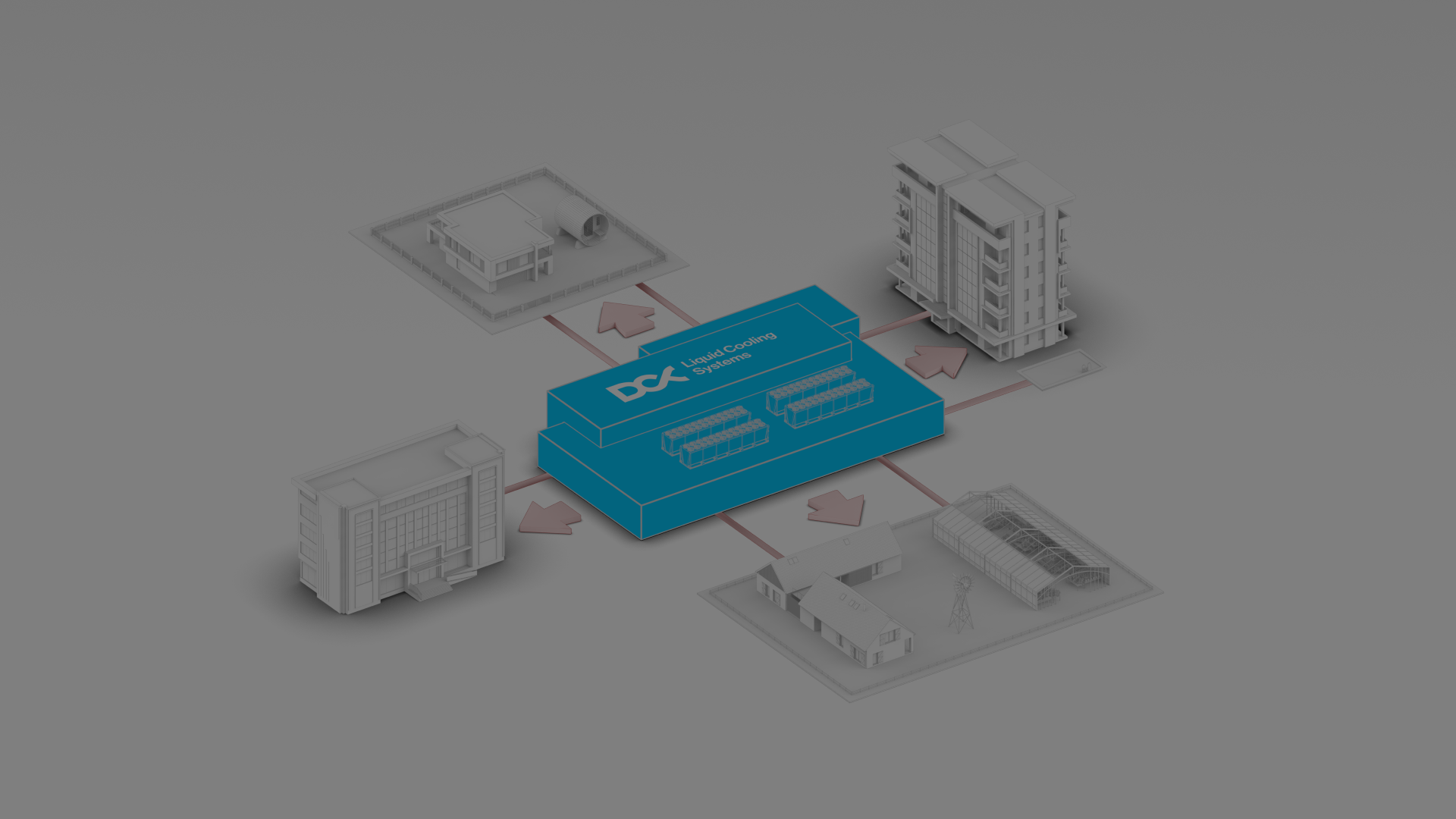
Data center heat is no longer considered waste – instead, it is seen as an energy resource that supports European energy efficiency goals. This potential is being more widely utilized across the EU, with heat recovery systems ranging from micro-installations to integration with municipal heating networks. These applications show how digital infrastructure can become an active part of regional energy ecosystems. High-grade waste heat from racks can support:
- District Heating: City-Scale Heat Reuse
- Commercial Buildings: Hotels and Spas
- Recreational Facilities: Swimming Pools
- Agricultural Heat Reuse: Greenhouses & Aquaculture
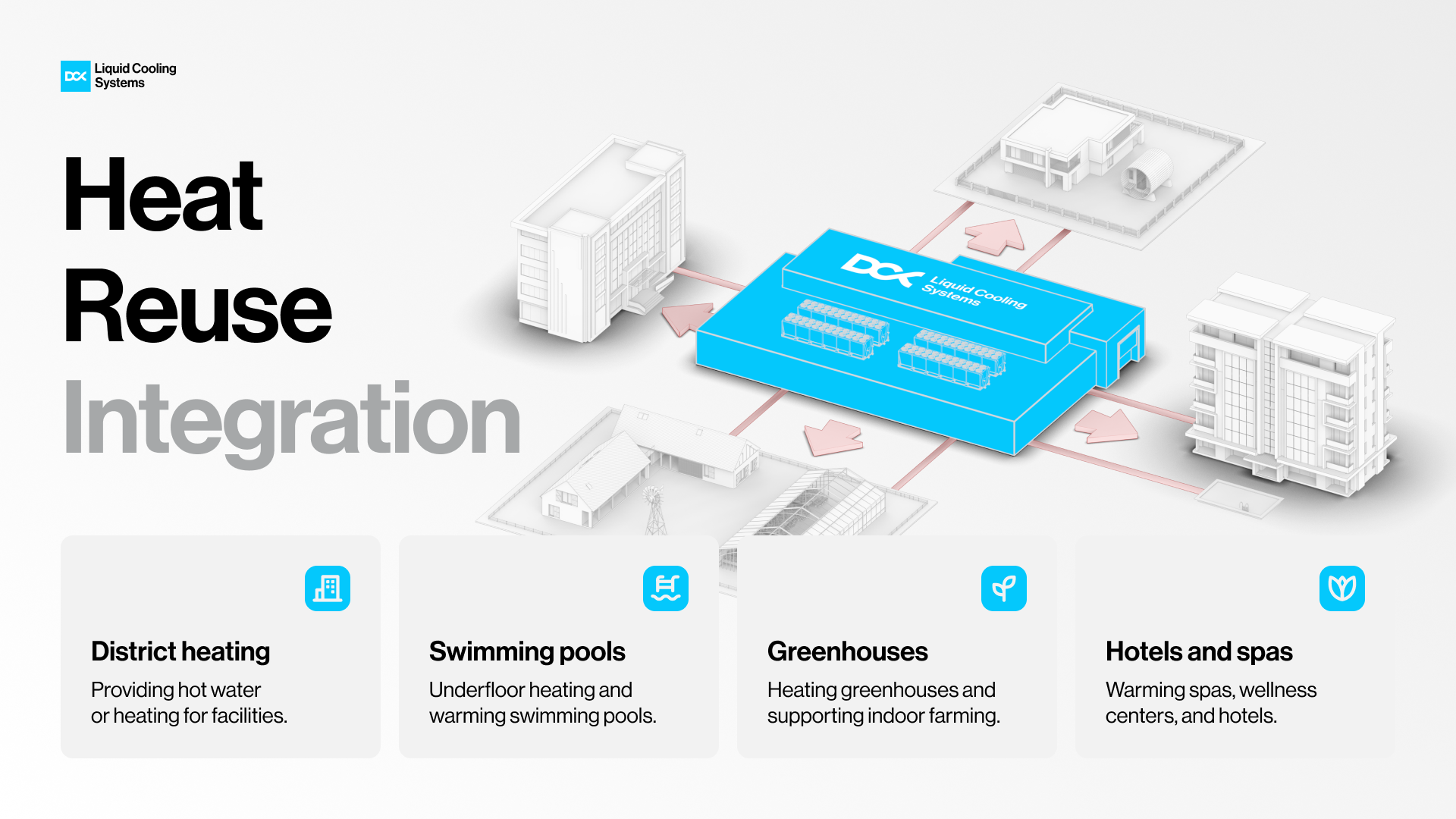
Figure 5. Heat Reuse Integration
District heating networks represent the most advanced and impactful model of heat reuse in the EU. In countries such as Germany and the Netherlands, data centers already feed recovered heat into municipal systems capable of serving thousands of households. In Denmark, new regulations removing surplus heat taxation and price caps have made these integrations economically attractive, allowing operators to sell excess heat under commercial agreements.
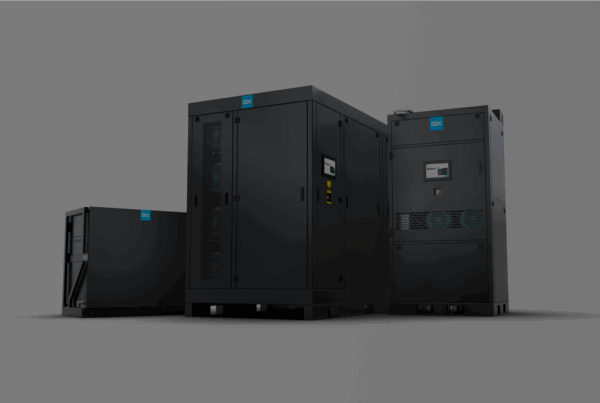
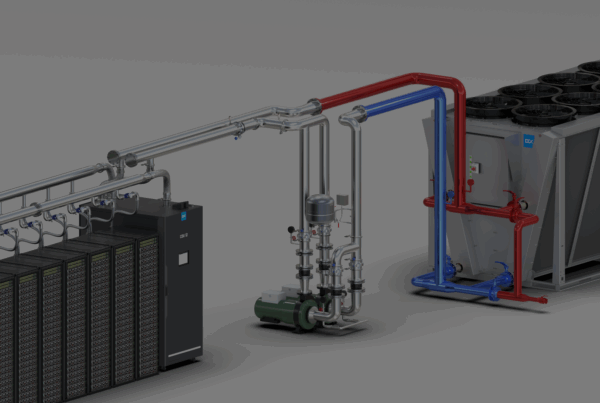
Building on this trend, DCX has introduced purpose-built CDUs and FDUs designed to efficiently dissipate high heat loads in liquid-cooled, high-density environments, enabling consistent and stable heat recovery. When integrated with dry coolers and plate heat exchangers, these systems allow excess server heat to be redirected into district heating networks, effectively transforming data centers into distributed local energy sources.
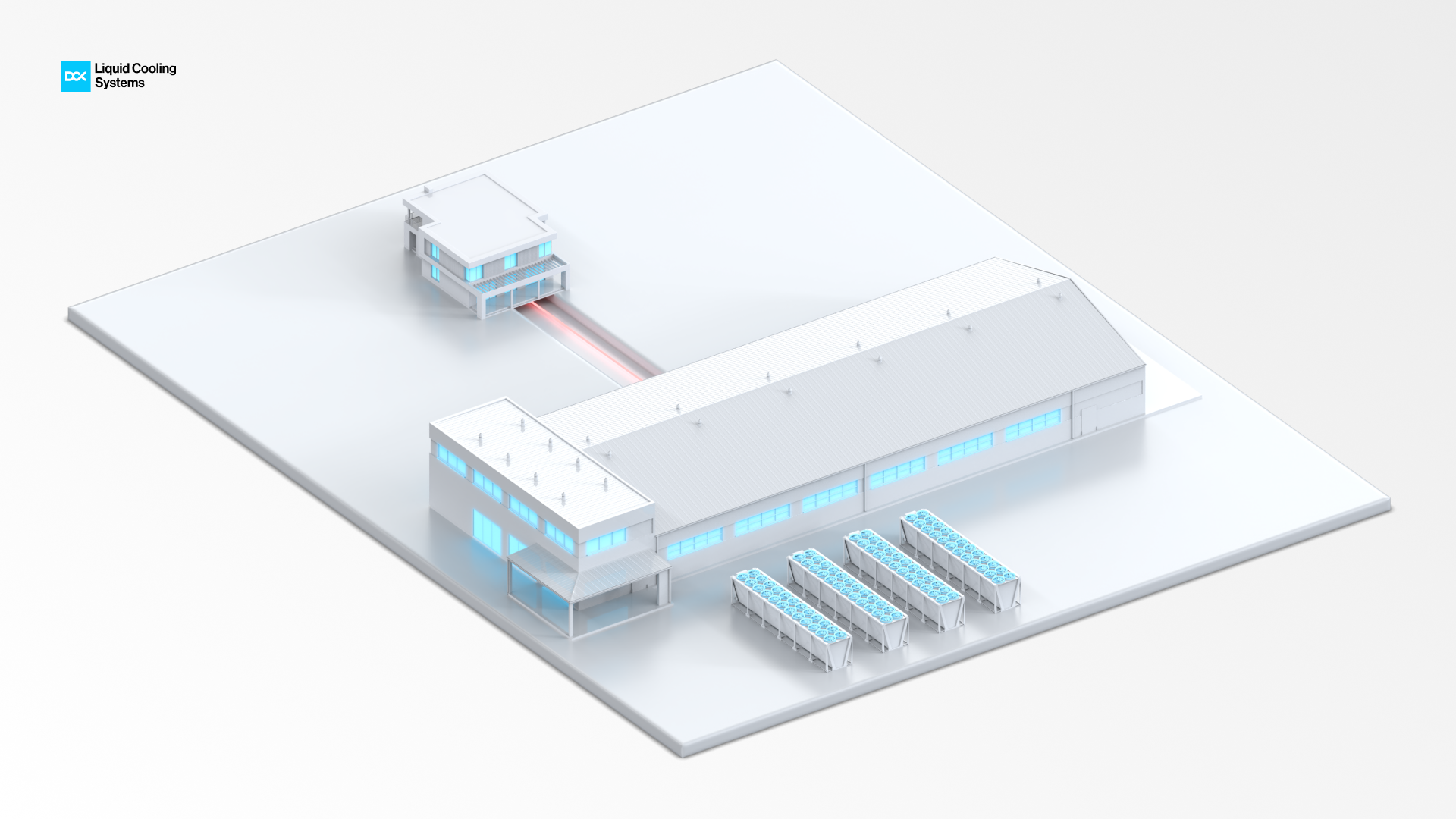
Figure 6. Medium-scale applications example
In medium-scale applications, data center heat can replace or significantly offset heating demands in hotels, wellness facilities, spas, and mixed-use commercial buildings. With temperatures produced by immersion and direct-to-chip cooling, recovered heat can support domestic hot water production, pool heating, underfloor heating, and HVAC preheating, reducing natural gas consumption and operating costs.
A real-world example comes from Chicago, where the DCX team deployed a 2 MW immersion-cooled compute cluster inside a skyscraper, integrating IT heat into the building’s heating system. This implementation demonstrates that high-density compute clusters can efficiently heat large commercial properties while maintaining stable compute operations.
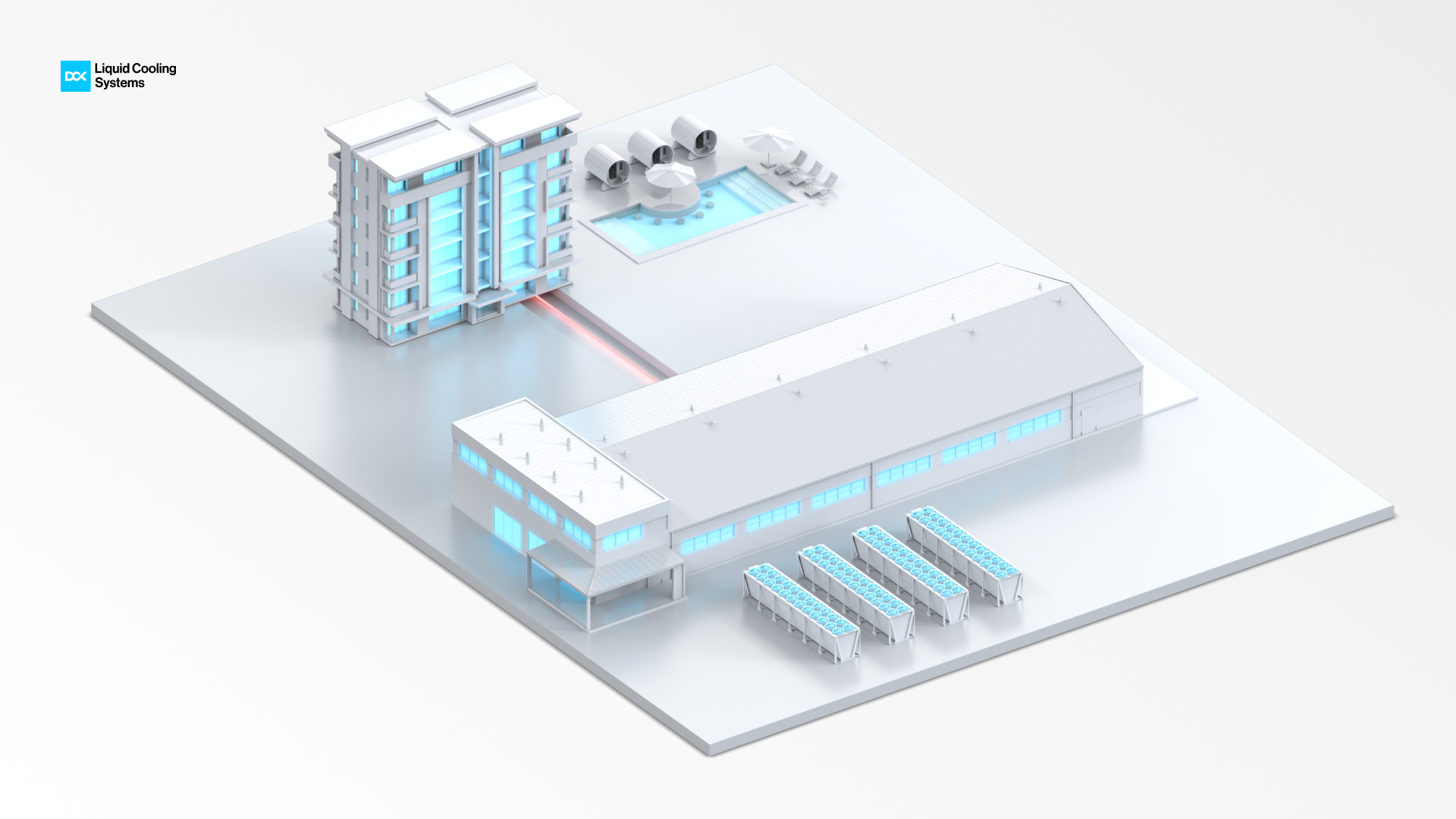
Figure 7. Swimming pools exmample
Swimming pools represent highly compatible heat reuse partners due to their continuous thermal demand. Recovered heat from data centers can be used for pool water heating, building climatization, and underfloor heating, offering both environmental and financial benefits to municipalities and community centers.
An example comes from the Paris 2024 Olympic Games, where, among the many world-class sports venues, stands the Paris Aquatic Centre in Saint-Denis. To maintain perfect water temperature for athletes competing at the highest level, the facility taps into an innovative heat-reuse system: excess heat generated by the nearby Equinix PA10 data center is captured, upgraded, and redirected to warm the Olympic pools.
From Data Centers to Greenhouses
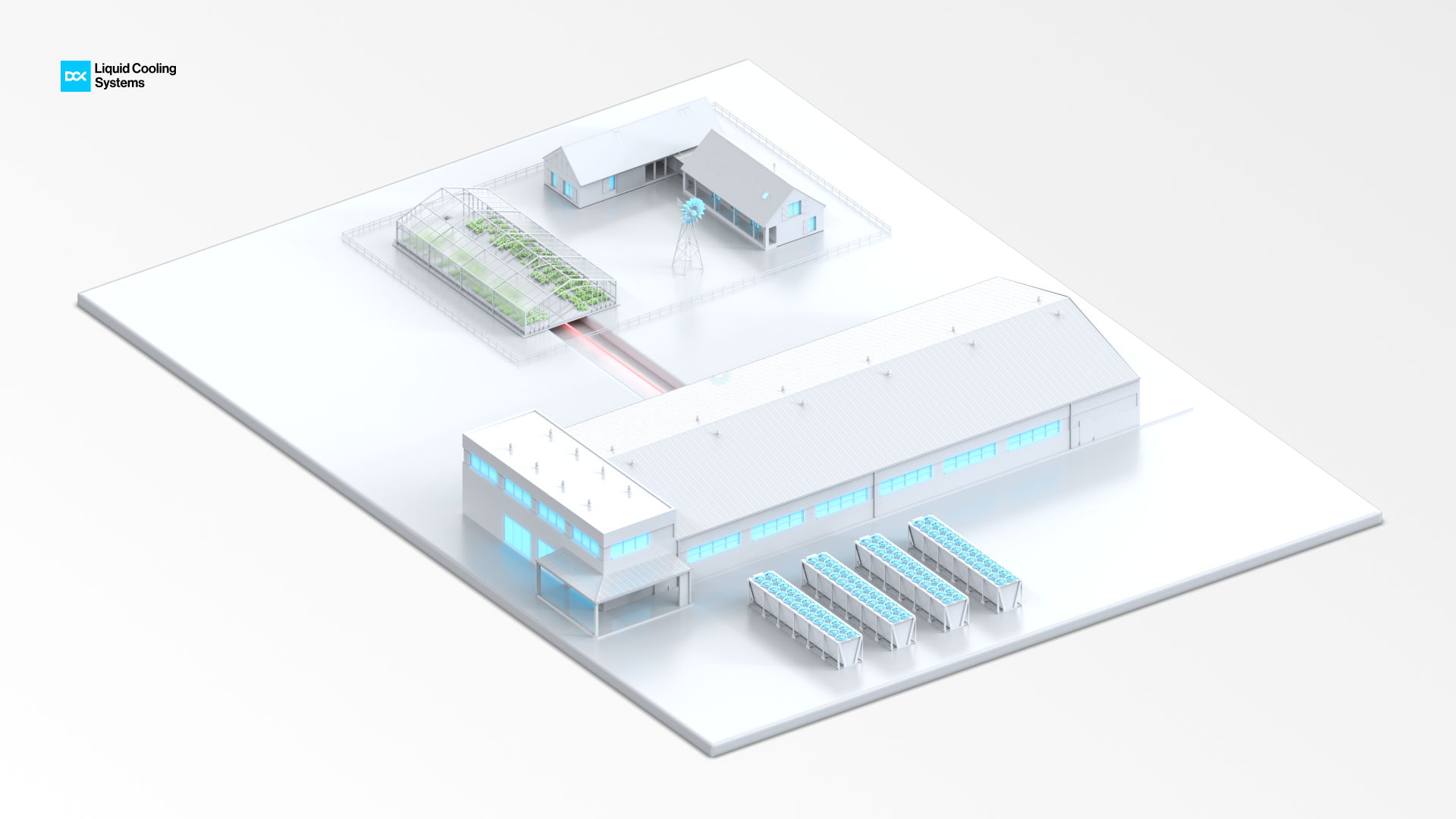
Figure 8. Agriculture exmaple
Agriculture is emerging as one of the most promising beneficiaries of data center heat. Reusing waste heat in greenhouses represents one of the most promising synergies between digital infrastructure and sustainable food production. Greenhouses require steady, year-round thermal input to maintain crop-friendly temperatures, especially in northern climates.
This requirement aligns well with the steady output of waste heat produced by modern data centers. By capturing and redirecting residual heat from servers, operators can provide stable, low-cost, low-carbon heating to nearby greenhouses, reducing fossil-fuel consumption in agriculture while improving local food security.
A great example is Research Institutes of Sweden (RISE), which has demonstrated that data center waste heat can successfully sustain commercial greenhouse operations, even in cold climates, when combined with heat pumps or thermal storage. Their studies show that a 1 MW Data Center can recover between 5.5% and 30.5% of its energy output, allowing a 2,000 m² greenhouse to operate on up to 90% recovered heat.
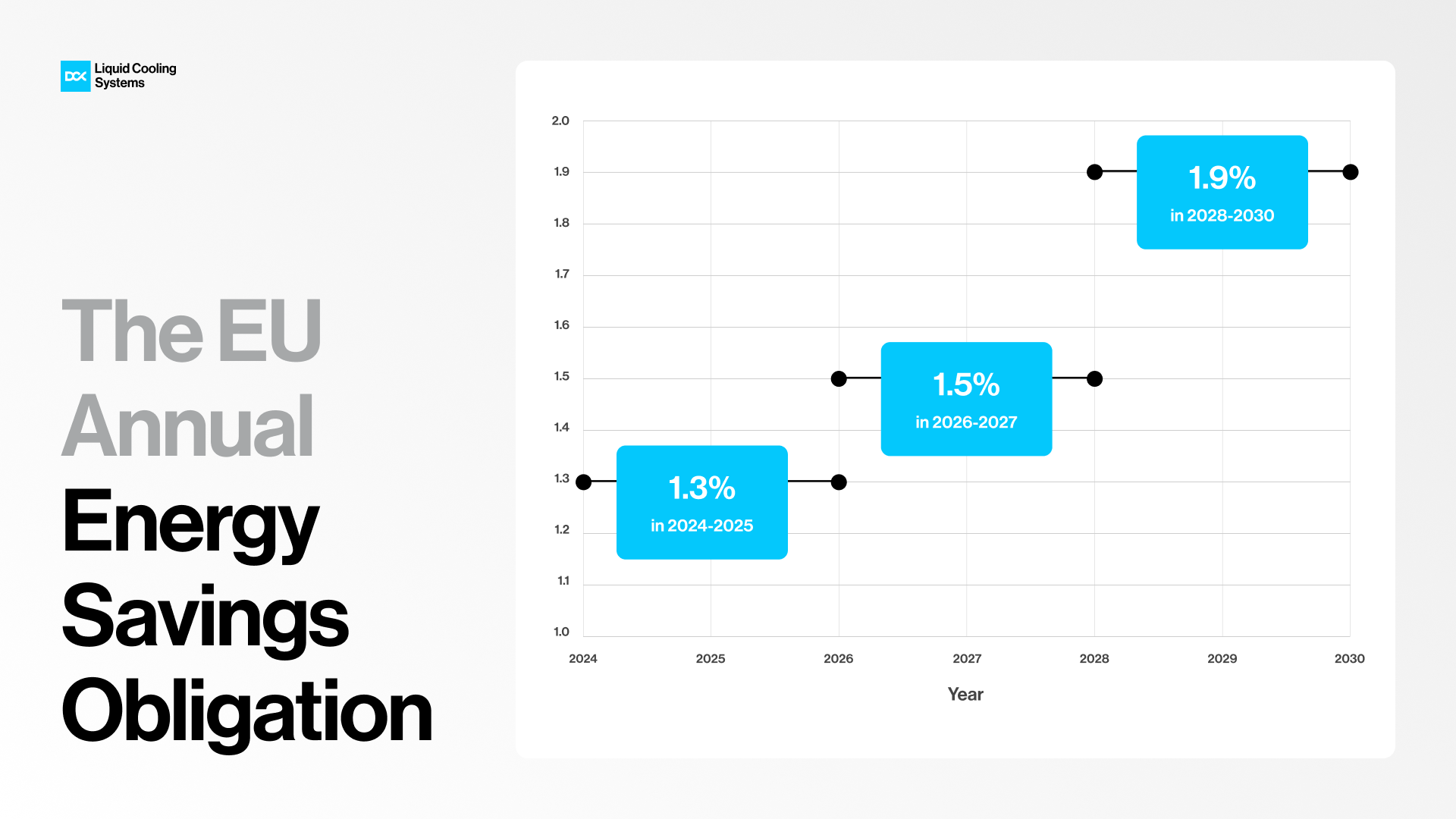
Figure 9. The EU annual energy savings obligation
These regulatory frameworks directly support the deployment of heat-recovery infrastructure and circular-energy systems within the data-center sector, making greenhouse integration increasingly viable both technically and economically.
In Östersund, Sweden, RISE is now translating its long-running research into a full-scale greenhouse-heating deployment. This work, covering heat-pump integration, hydronic system design, and controlled-environment performance, is now being scaled through a collaboration with EcoDataCenter, which plans to deliver upgraded waste heat from its new hyperscale facility directly to adjacent greenhouses producing local greens.
According to RISE modelling, the combined waste-heat output from data centers operating across Sweden’s Norrbotten and Västerbotten counties represents enough recoverable thermal energy to support greenhouse production equivalent to approximately sixty times the country’s current annual vegetable output. This highlights not only the technical viability but also the substantial agricultural potential of coupling greenhouse operations with the continuous thermal profile of modern data centers.
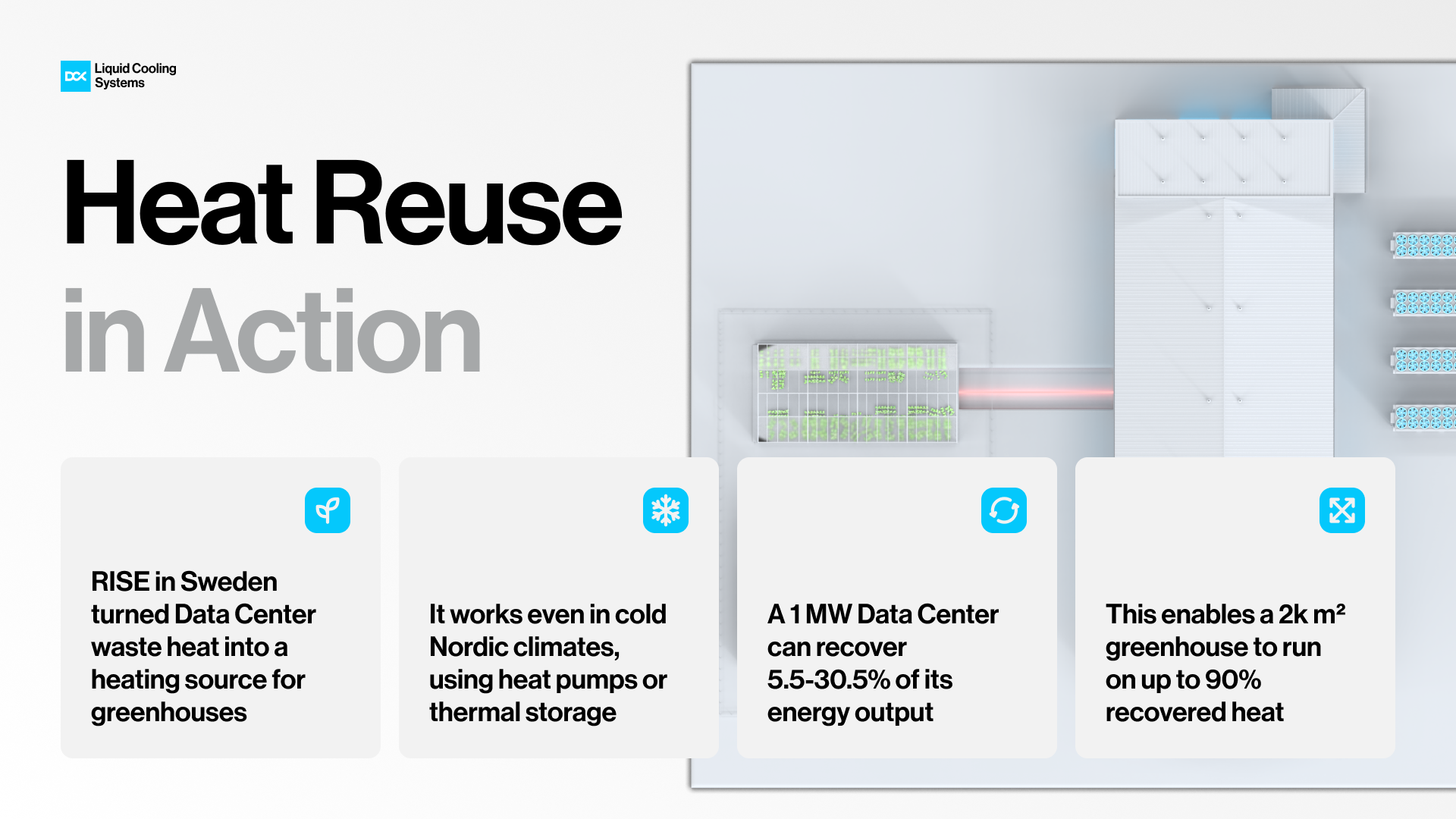
Figure 10. Heat Reuse in action
Why DCX Leads: Plug & Heat Ready
DCX solutions built around the HYDRO CDU family, engineered for operation in high-temperature water loops or DCX immersion systems (PRO9/PRO10), enable heat capture directly at the source, at the CPU and GPU level. This allows for the recovery of 80-100% of the IT thermal energy and its transfer to secondary heating circuits.
This makes DCX systems truly plug & heat: all heat-recovery interfaces, such as pumps, heat exchangers, hydraulic separation, and control logic, are natively integrated, enabling immediate connection to building heating loops or district-energy networks without external add-on modules.
The key proof of this approach’s effectiveness is a real installation in Chicago, where DCX demonstrated it by delivering a 2 MW immersion-cooled cryptocurrency deployment within the footprint of an existing city-center high-rise. The client, located in the heart of Chicago’s urban core, required the installation inside a high-rise skyscraper, an environment with strict space, structural, noise, and heat-emission constraints.
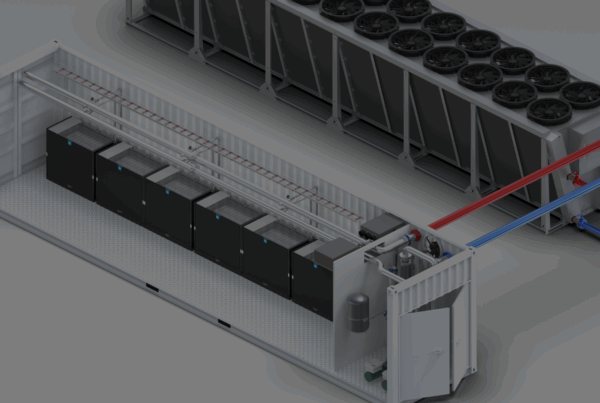
DCX delivered a complete end-to-end immersion cooling solution, including fluid management, monitoring, and heat disposal systems. The system covers 153 m² inside a high-rise skyscraper. This compact powerhouse includes 120 DCX PRO9 immersion enclosures, hosting 600 servers and 4,800 GPUs densely packed across 40 racks. A closed-loop heat-recovery system captures 100% of the thermal energy generated by the compute systems and redirects it to the building’s heating system.
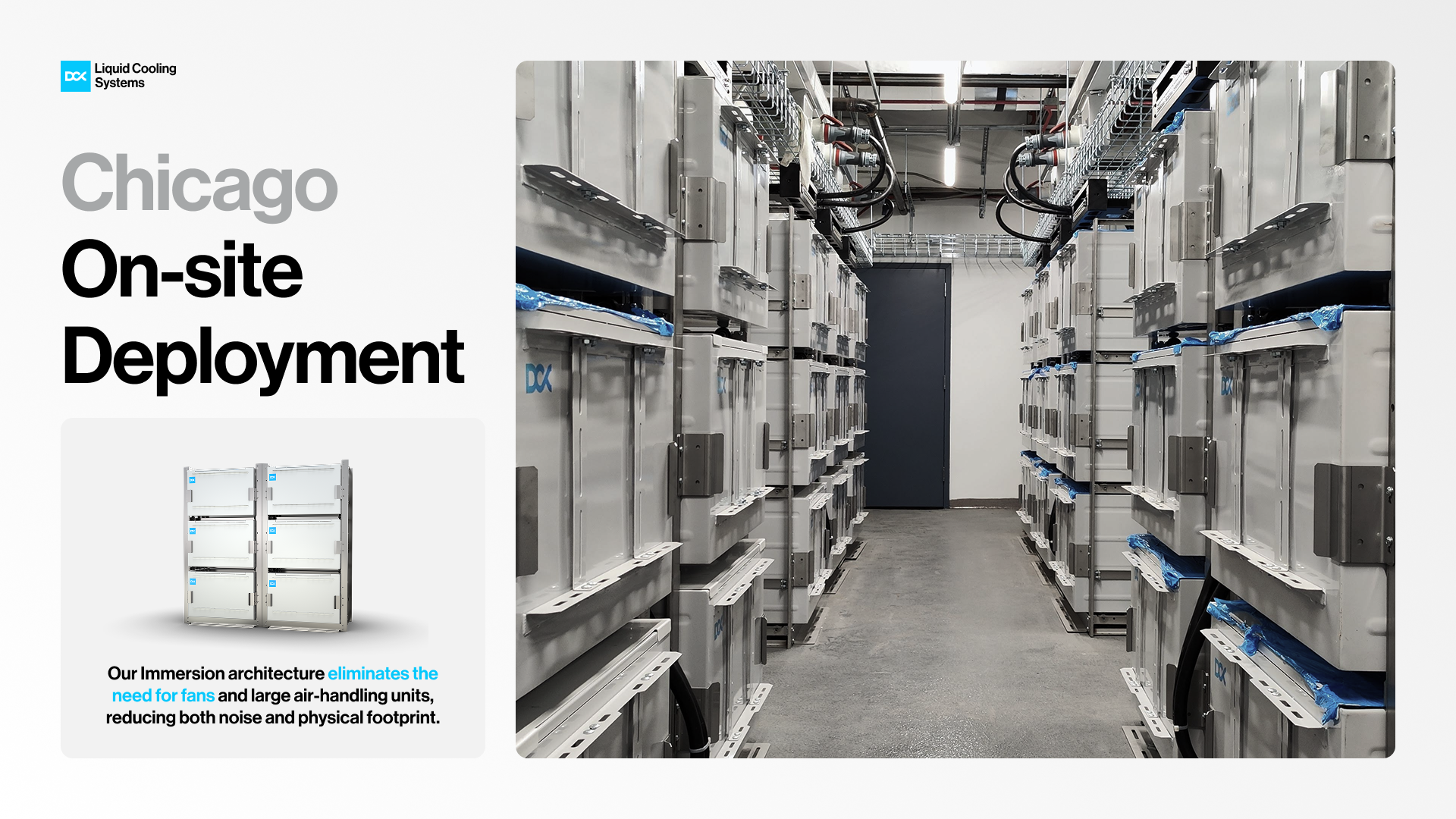
Figure 11. Chicago on-site deployment
Conclusions: From Waste to Resource
Heat Reuse in data centers is evolving from niche innovation into a strategic element of sustainability policy, particularly in Europe, where governments increasingly expect large facilities to recover and deliver excess heat. Its viability remains highly location-dependent, shaped by climate, infrastructure, regulatory incentives, and, above all, the presence of nearby customers willing to use the thermal energy. Many current projects are still bespoke, but standardization in technology, planning, and business models is emerging.
The future of waste heat recovery depends on coordinated planning among data center operators, municipalities, utilities, and heat consumers, aided by clearer economic tools that help evaluate feasibility. Regions with cold climates and well-established district heating networks, especially in Northern Europe, will continue to benefit most. However, sustainability pressures and regulations mean the number of facilities exporting heat will grow worldwide. Heat reuse is ultimately one of the simplest ways to decarbonize: converting computing by-products into local energy value.