Warsaw, Poland, May 20, 2026
The Future of Data Centers: Is the Industry Ready to Rethink Water Usage?
In the past decade, the sustainability conversation in data centers has been dominated by energy. Power Usage Effectiveness (PUE) became the yardstick by which facilities were compared, optimized, and benchmarked. But as the industry shifts into the AI era, a new challenge is climbing up the agenda: water usage.
Water has quietly become one of the most sensitive and politically charged issues for digital infrastructure. Hyperscale facilities are being scrutinized not just for how much electricity they consume, but for how much water they pull from local reservoirs and municipal supplies, and how much of that water never comes back. What was once considered an operational detail is now a front-page issue in communities across the U.S. and Europe.
To put the scale in perspective: the Environmental and Energy Study Institute (EESI) estimates that some of the largest U.S. data centers use up to 5 million gallons of water every single day. That translates to nearly 1.8 billion gallons annually – enough to support an entire town. For years, this number was hidden behind energy metrics. But as communities deal with drought, rising populations, and climate-related water stress, the notion that data centers can expand indefinitely while consuming water at this scale is no longer socially acceptable.
Why Water is Becoming the Central Debate
The industry’s accelerating demand for computing power is largely driven by artificial intelligence and high-performance computing (HPC). Training large language models and running GPU-dense clusters requires enormous thermal management capacity. Traditional air cooling, even with optimized containment and advanced airflow management, has reached its physical and economic limits.
This is why the conversation has shifted so decisively to liquid cooling. Direct-to-Chip (D2C) and immersion cooling technologies are now front and center, because they can handle rack power densities that often exceed 80-120 kW, and in some cutting-edge deployments, push past 200 kW. These are levels that simply cannot be cooled with air.
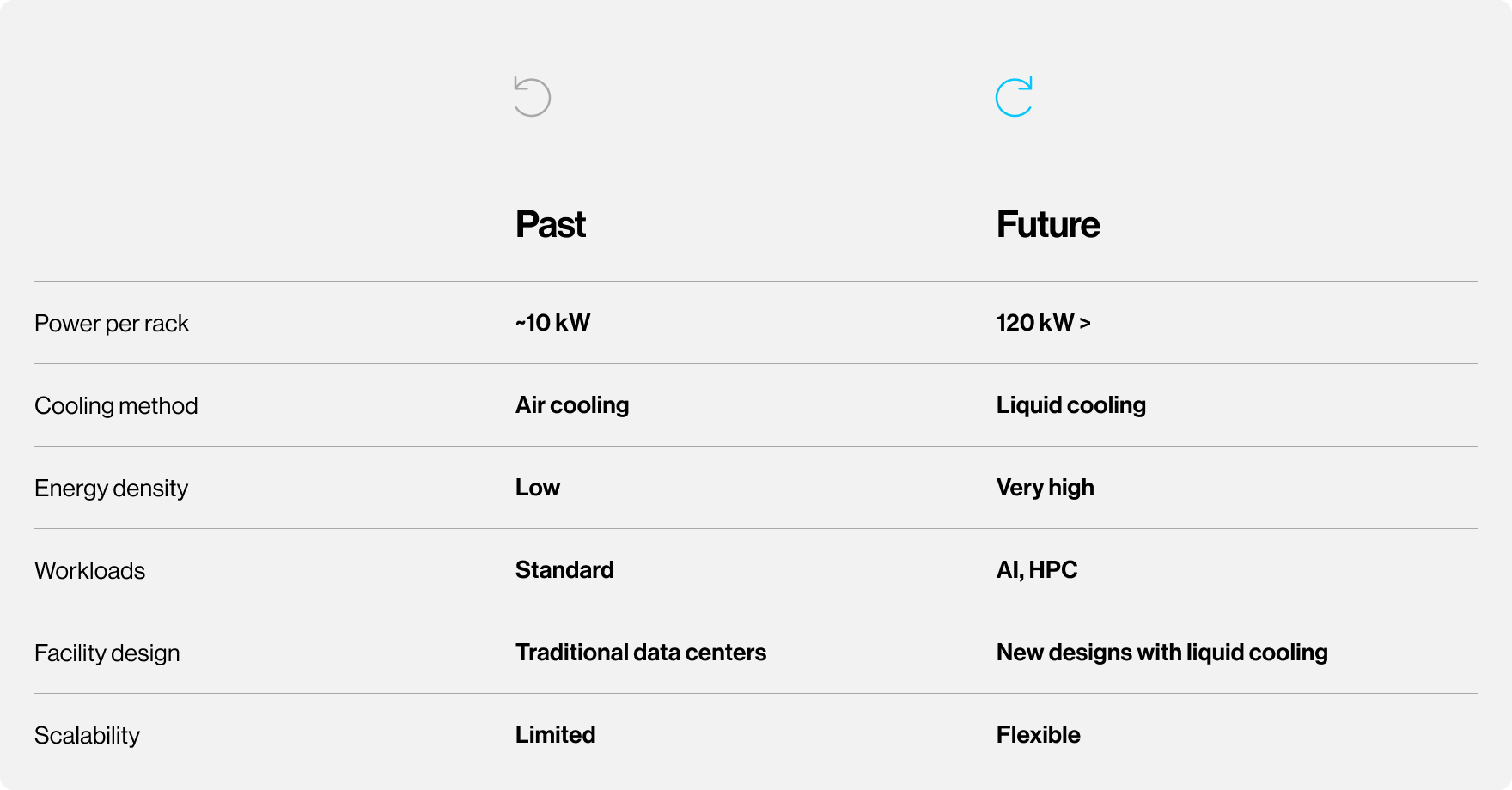
Table 1. Rapid Evolution of Rack Density
Yet liquid cooling brings water back into the spotlight. Because not all liquid cooling systems are created equal, the key distinction is whether water is being circulated or consumed.
- Open-loop designs – still common in U.S. hyperscale campuses – rely on evaporative cooling towers. These systems are energy efficient but water consumptive, as large volumes are lost through evaporation and must be constantly replenished.
- Closed-loop designs, by contrast, treat water as a permanent medium. Once introduced, it is chemically treated and mechanically circulated with minimal losses. Evaporation is not part of the process.
This distinction may sound like a technical nuance, but it has become central to how regulators, communities, and investors evaluate data centers.
The Human Side of the Debate
If there is any doubt that this is more than an engineering issue, one only needs to look at what has unfolded in parts of Oregon, Arizona, and Texas.
In The Dalles, Oregon, local residents were shocked to learn that a Google facility consumed nearly a third of the city’s municipal water supply. In Central Texas, data centers consumed 463 million gallons of water in a single year while nearby communities were told to shorten showers and limit garden irrigation due to drought. These stories spread fast – not in technical journals, but in mainstream media – casting data centers as “water hogs” or “vampires.”
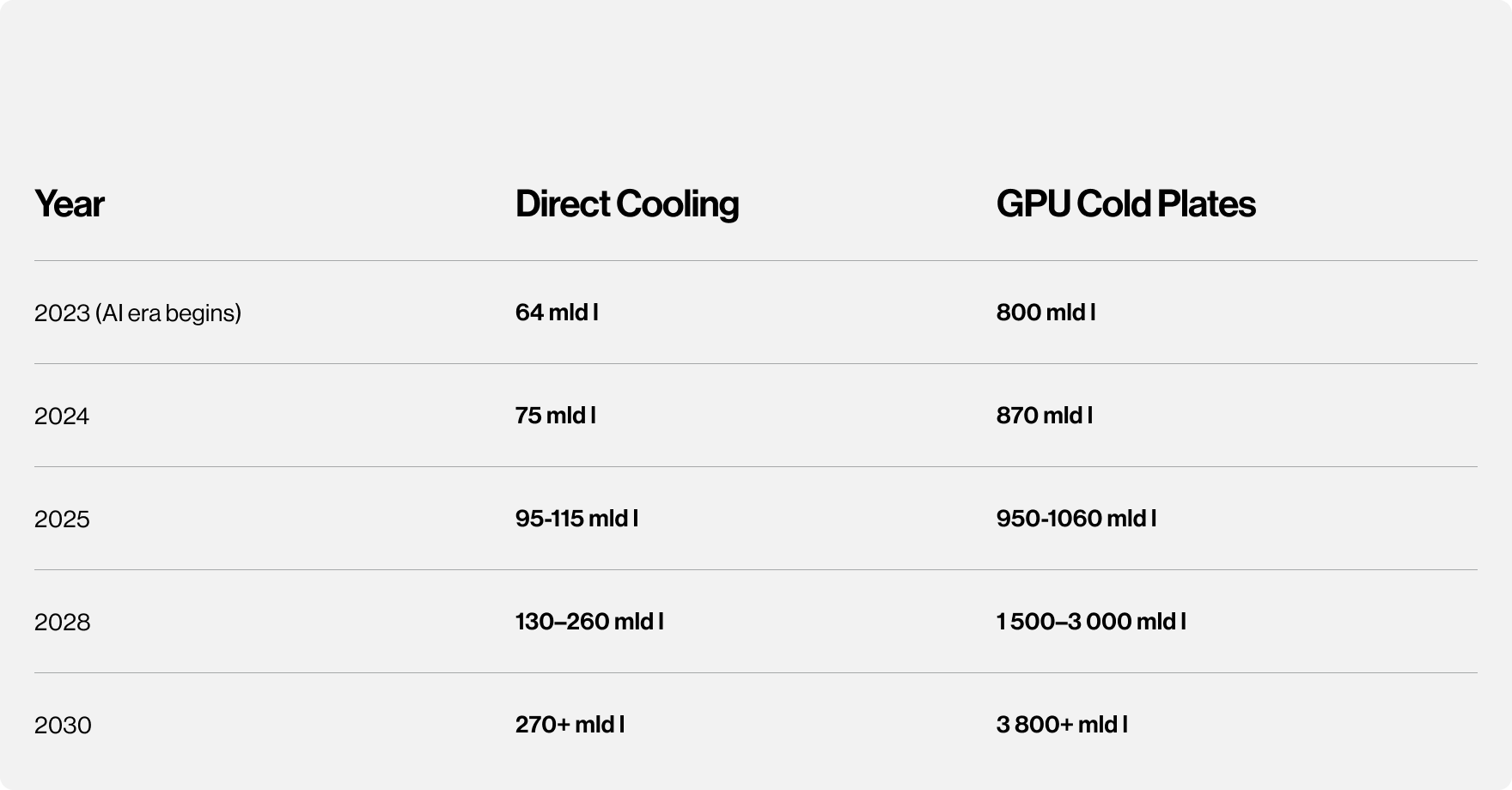
Table 2. Water consumption by U.S. data centers
For residents, it is not a question of PUE or WUE metrics; it is about fairness and survival. Why should households ration every drop when a hyperscale campus quietly evaporates millions of gallons daily? This tension between community needs and corporate infrastructure expansion is why water stewardship has become a social acceptance issue.
Direct-to-Chip vs. Immersion Cooling: What Really Matters
Technically, both Direct-to-Chip and immersion cooling can be engineered to minimize water usage. The difference lies less in the technology itself and more in how the thermal system is integrated into the facility’s design philosophy.
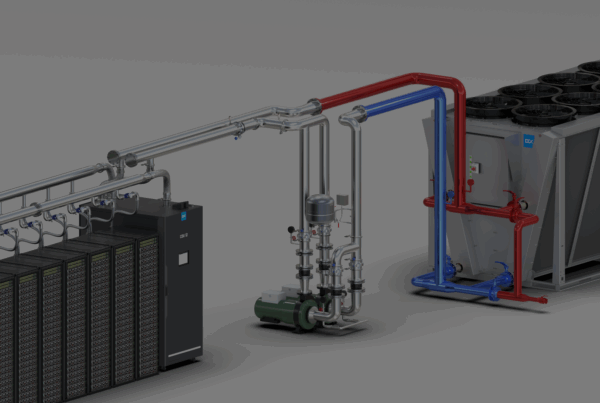
- In Direct-to-Chip cooling, water or engineered coolant flows through cold plates attached to CPUs, GPUs, and sometimes memory or VRMs. Heat is absorbed, carried to a Coolant Distribution Unit (CDU), and transferred into the facility water system. From there, the heat can be rejected through dry coolers or, increasingly, reused in district heating or agricultural applications.
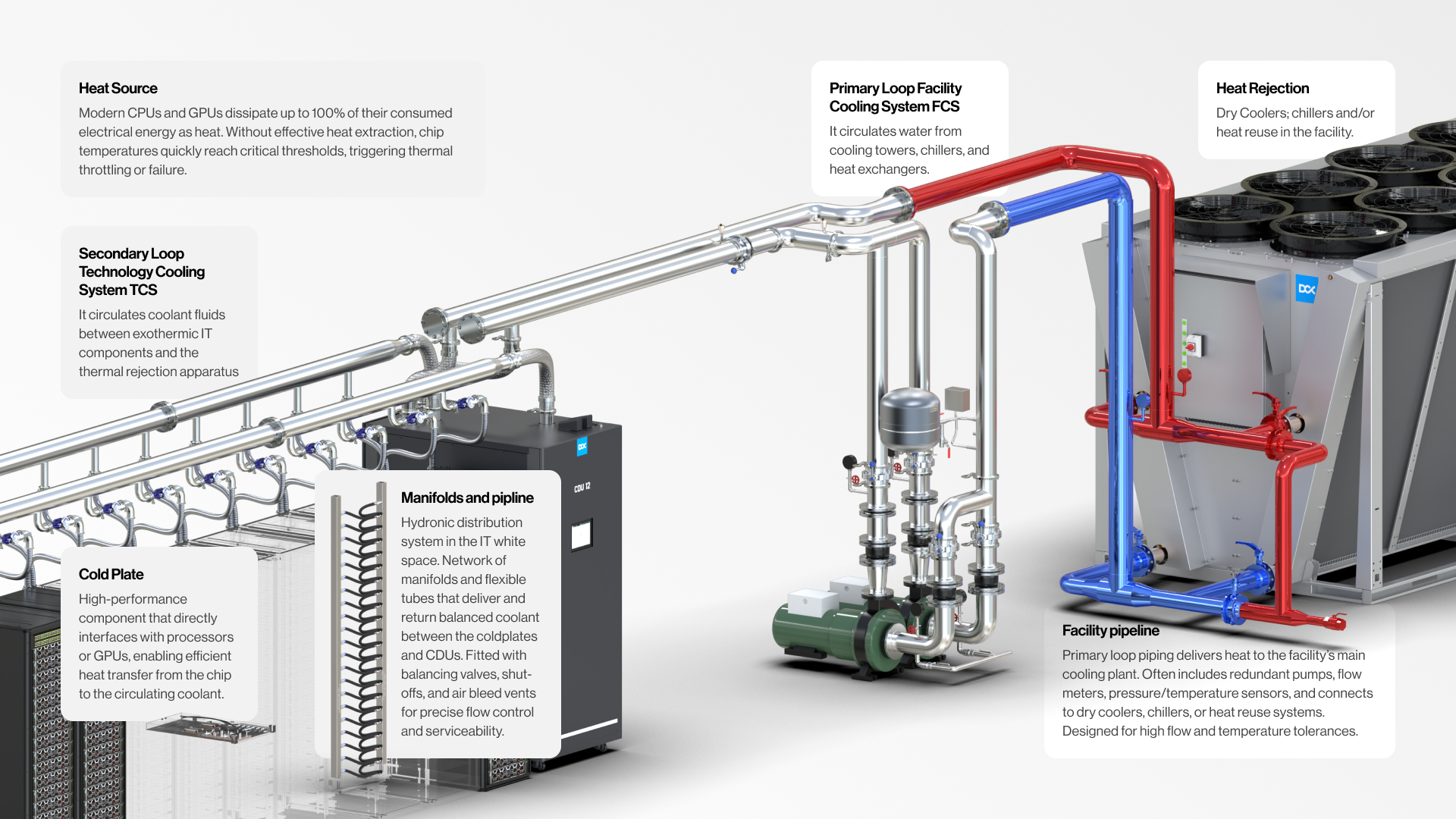
Figure 1. Direct to Chip Cooling
- In immersion cooling, servers are submerged in dielectric fluids that capture nearly all of the heat generated. This eliminates many of the airflow and particulate contamination challenges of air-cooled facilities. Yet it comes with its own hurdles: fluid handling, maintenance practices, and long-term component compatibility.
What unites both approaches is the potential to eliminate unnecessary water consumption – provided the facility water system itself is closed-loop. Without that design choice, even the most advanced cold plates or immersion tanks can still sit atop water-intensive evaporative systems.
A Tale of Two Continents
The contrast between Europe and the U.S. illustrates how design philosophy shapes water outcomes.
In the United States, evaporative cooling towers are widely used in hyperscale campuses. They deliver strong energy efficiency, but at the cost of significant water consumption. Water is drawn, circulated, and ultimately evaporated – meaning it must be replenished every day.
In Europe, by contrast, closed-loop hydronic systems dominate new designs. Facilities there treat water as infrastructure, not as a consumable. Systems are filled once, chemically conditioned, and recirculated indefinitely. A standout example is Norway’s Green Mountain DC1, which leverages fjord water at ~8 °C as a stable heat sink. Heat is transferred through titanium exchangers into a freshwater loop that never consumes water.
This difference is shaped by more than just engineering preference. Europe benefits from colder climates, established district heating networks, and regulatory frameworks that prioritize resource efficiency. U.S. operators face hotter, drier climates, but also tend to optimize first for energy cost, with water seen as an externality.
The Energy-Water Nexus
One important dimension that is often overlooked in public debates is that water use is not only a cooling problem – it is also an electricity problem.
Most sustainability reports disclose only the direct cooling water consumed onsite. Yet far larger amounts are used indirectly in electricity generation, especially in regions where power grids rely on thermoelectric plants. Cooling towers on a campus might consume millions of gallons, but the water required to generate the electricity feeding that same campus can be several times higher.
This hidden footprint underscores why the industry must not treat energy and water as separate silos. A cooling system that saves water but increases grid demand may simply shift the problem upstream.
Looking Ahead: Pathways to Smarter Cooling
The industry is now at a crossroads. The explosive growth of AI cannot continue to rest on designs that assume abundant, low-cost water. Several pathways offer more sustainable options:
- Closed-loop hydronics – Treating water as a permanent infrastructure medium, with minimal discharge, is one of the most effective steps data centers can take today.
- Immersion cooling – Well-suited for ultra-dense workloads, though adoption requires cultural and operational shifts.
- Heat reuse integration – Where climate and infrastructure allow, redirecting 55-60 °C return water into district heating or industrial processes prevents waste and adds social value.
- Transparent reporting – Moving toward standardized disclosure of both direct and indirect water use will allow the industry to benchmark and improve meaningfully.
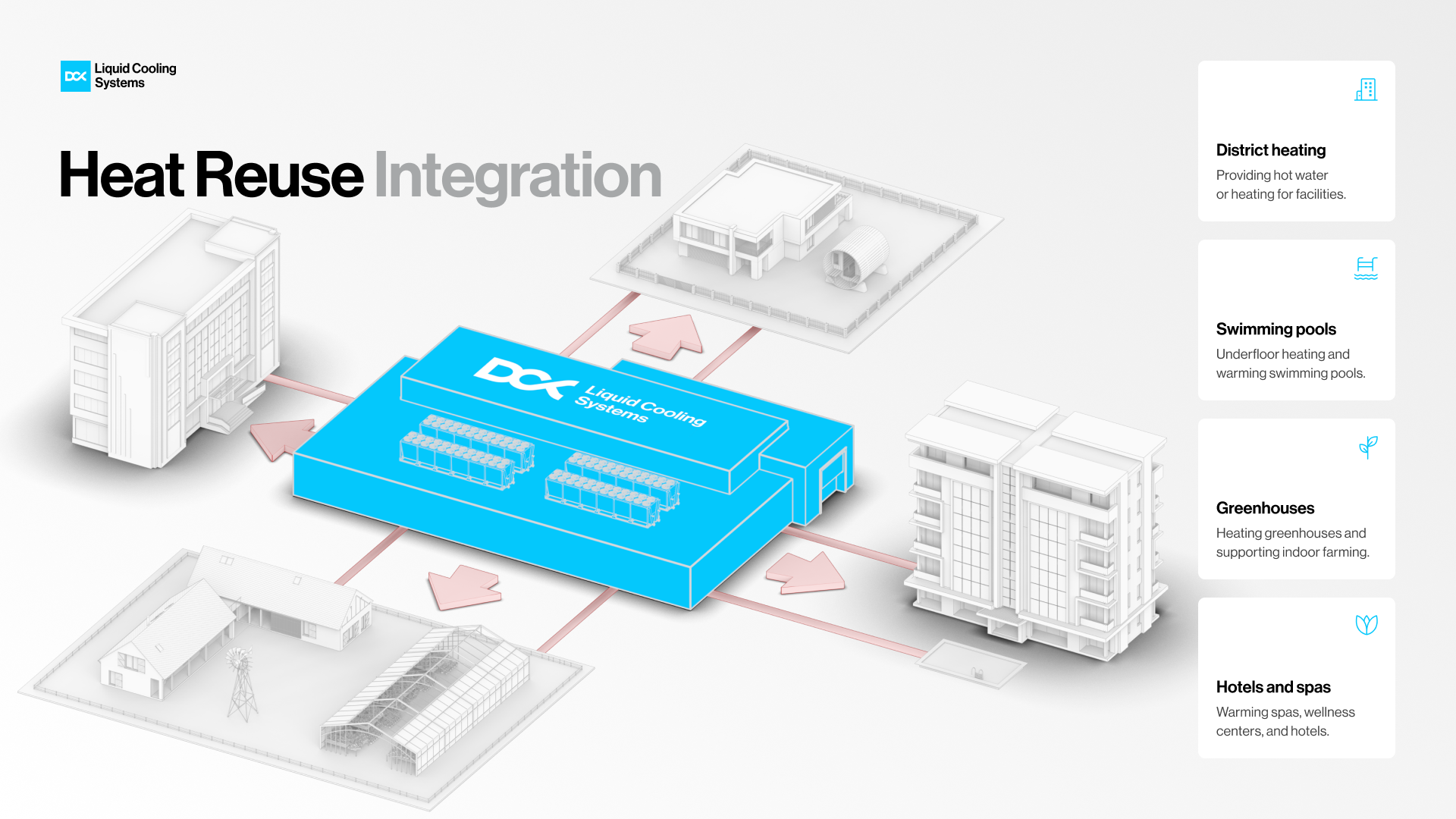
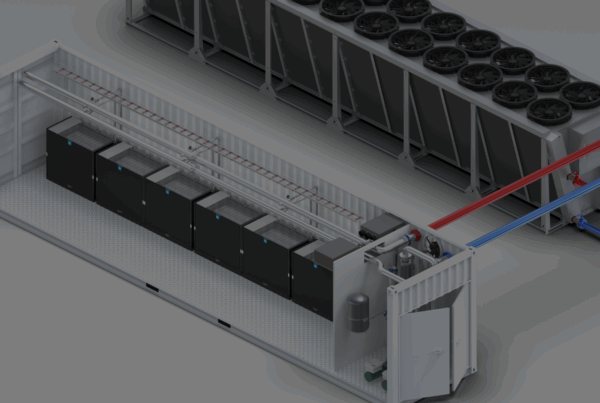
Figure 2. Heat Reuse Integration
At DCX LIQUID COOLING SYSTEMS, our philosophy is grounded in these principles. We engineer closed-loop and immersion systems designed to maximize thermal efficiency while minimizing consumptive water use. For us, water is not a consumable – it is an asset to be preserved and reused.
Heat Reuse: From Waste to Resource
One of the most overlooked opportunities in data center sustainability is heat reuse. For decades, data centers treated waste heat as an unavoidable by-product to be expelled into the air or evaporated into the atmosphere. But as outlet temperatures from liquid-cooled systems rise to 55-60 °C, that thermal energy becomes a valuable resource rather than a waste stream.
In regions with existing district heating networks – such as Scandinavia, Germany, and parts of the Netherlands – data centers are already connecting directly into municipal infrastructure, providing enough heat to warm thousands of homes. In Denmark, for example, some operators are even paid by local utilities for delivering excess heat back into the grid, turning what was once a cost center into a revenue stream.
Outside Europe, opportunities are emerging in other forms. High-grade waste heat from racks can support:
- Greenhouse agriculture, extending growing seasons and reducing the need for fossil-fuel heating.
- Industrial processes such as pasteurization, food processing, or water desalination.
- On-site building heating, offsetting gas boilers for office and mechanical spaces.
Of course, heat reuse is not universal. It requires a location where there is a consistent demand for heat near the facility, as well as infrastructure to move it. This is why it is easier in cold climates with dense urban areas or existing district heating networks than in rural, arid zones like Texas or Arizona.
But the principle remains important: every megawatt of heat reused is a megawatt not wasted. By designing facilities to capture and redirect heat instead of dissipating it through evaporative cooling, operators not only reduce water consumption but also create tangible benefits for surrounding communities. For forward-looking operators, heat reuse is no longer just an add-on – it is part of a broader strategy to turn data centers into integrated pieces of local energy ecosystems.
Conclusion: A Social License for the AI Era
The industry has spent the last decade optimizing for energy. The next decade will be defined by water. As AI drives unprecedented growth in computing demand, data centers must adapt cooling strategies that not only deliver efficiency but also preserve their standing with communities and regulators.
The technology is ready. Closed-loop designs, immersion cooling, and heat reuse integration already exist at scale. The challenge is adoption: how quickly operators are willing to transition away from consumptive models and embrace water as a permanent infrastructure medium.
If the data center industry wants to sustain growth without exhausting its social license to operate, water stewardship cannot remain a side conversation. It has to become a central design principle.
Sources: Lawrence Berkeley National Laboratory (2024), Morgan Stanley (2024), International Energy Agency (2023/2024), Rutgers Computer and Technology Law Journal (2024).